
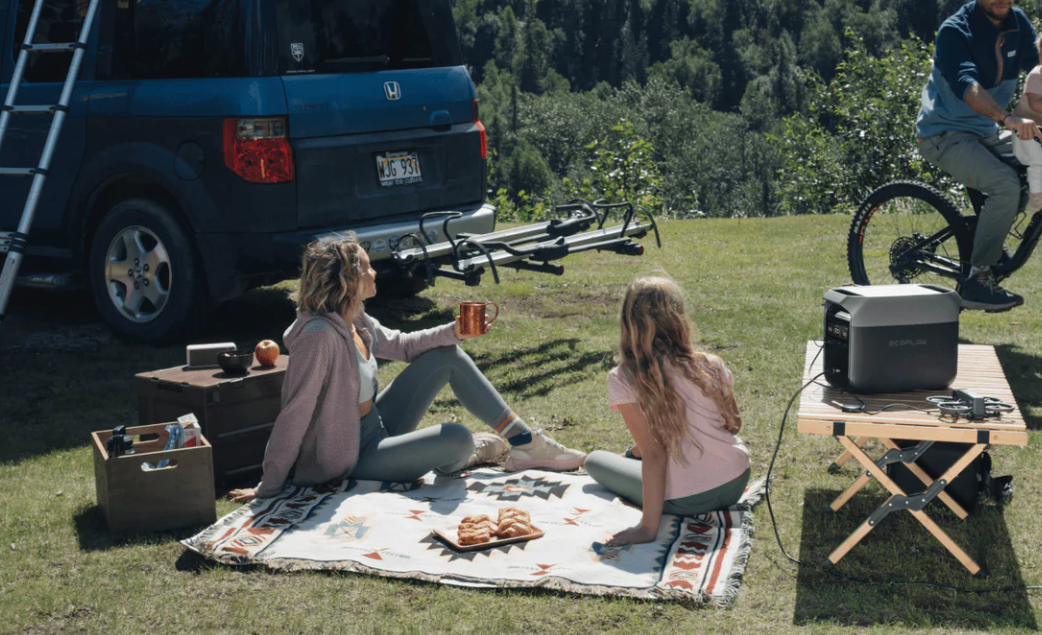
Picture this: you’re three days into a backcountry hiking trip when your GPS dies, leaving you navigationally challenged in unfamiliar terrain. Or perhaps you’re enjoying a perfect camping spot when your phone battery hits zero, cutting off communication with the outside world. These scenarios highlight a growing challenge for modern outdoor enthusiasts who rely on electronic devices for safety, navigation, and capturing memories.
The core problem isn’t just inconvenience—it’s about maintaining essential connectivity and safety tools when venturing beyond traditional power sources. Portable power stations have emerged as game-changing outdoor companions, offering reliable off-grid electricity solutions that keep your devices charged without the noise, fumes, or maintenance headaches of traditional generators.
Choosing the right portable power station involves balancing capacity, weight, charging options, and durability against your specific adventure style. This article provides a comprehensive decision-making framework to help you select the perfect power companion for your outdoor pursuits.
Understanding Portable Power Station Basics
A portable power station consists of three essential components: a rechargeable lithium battery that stores energy, an inverter that converts DC power to AC electricity, and multiple output ports including USB, 12V, and standard AC outlets. This integrated design eliminates the complexity of separate components while providing clean, silent power generation.
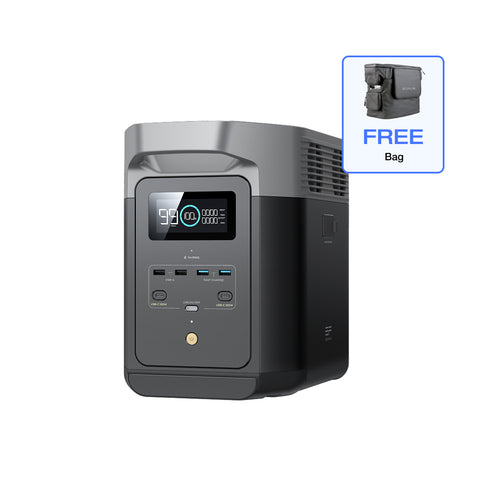
Unlike traditional gas generators that produce noise levels exceeding 60 decibels, emit harmful fumes, and require regular maintenance like oil changes and fuel mixing, portable power stations operate silently and emission-free. They start instantly with the push of a button, require minimal upkeep, and can safely operate inside tents or RVs without ventilation concerns.
Most modern units function as solar generators when paired with compatible panels, enabling renewable energy harvesting during daylight hours. This solar compatibility transforms your power station into a self-sustaining energy system, particularly valuable during extended outdoor adventures where traditional charging methods aren’t available.

Understanding the difference between watt-hours (Wh) and watts (W) is crucial for proper selection. Watt-hours indicate total energy storage capacity—how much power the battery holds—while watts measure instantaneous power output. A 500Wh station might deliver 100W continuously for five hours, or 50W for ten hours, helping you calculate runtime for specific devices and plan accordingly.
Critical Features for Outdoor Power Needs
Portability & Weight Considerations
Weight becomes the deciding factor when every ounce matters on multi-day hikes. Calculate your power station’s weight-to-capacity ratio by dividing total weight by watt-hours—aim for ratios under 0.04 pounds per Wh for backpacking applications. Units weighing 5-8 pounds with 200-300Wh capacity strike an optimal balance for solo adventurers, while car campers can accommodate 15-25 pound stations offering 500-1000Wh without transport concerns.

Handle design significantly impacts carrying comfort during portability challenges. Look for rubberized grips, telescoping handles, or integrated shoulder straps that distribute weight evenly. Compact form factors with dimensions under 10x8x6 inches fit standard backpack compartments, while larger rectangular designs work better for vehicle storage and camp setup stability.
Battery Capacity & Runtime
Calculate your daily power consumption by listing essential devices and their hourly draw: smartphones typically consume 10-15Wh daily, LED lanterns use 5-10W per hour, and portable coolers require 40-60W continuously. A weekend camping trip supporting two phones, LED lighting, and occasional device charging needs approximately 200-300Wh capacity, while week-long adventures with photography equipment and communication devices require 500-800Wh minimum.
Real-world runtime varies significantly from manufacturer specifications due to temperature fluctuations, inverter efficiency losses, and device charging patterns. Plan for 20-30% capacity reduction in cold weather conditions and factor in 10-15% conversion losses when using AC outlets instead of direct USB charging for more accurate power planning.
Recharge Methods & Solar Compatibility
Solar charging efficiency depends heavily on panel quality, weather conditions, and geographic location. Expect 60-80% of rated solar input during optimal conditions, with cloudy days reducing output to 20-40%. Monocrystalline panels perform better in partial shade, while polycrystalline options offer better value for consistent sunny conditions during extended outdoor stays.
Multi-source charging capabilities provide essential backup options when solar conditions disappoint. Vehicle 12V charging works well during travel days, typically requiring 4-8 hours for full recharge depending on alternator output. Wall outlet charging before departure ensures maximum capacity, with most modern stations featuring fast-charging technology that completes cycles in 2-4 hours for convenient pre-trip preparation.
Top Portable Power Stations for Outdoor Enthusiasts
Lightweight Solutions
Lightweight portable power stations excel in weight-conscious applications, with models weighing 11 pounds or less while delivering 288-720Wh capacity. Advanced fast charging technology in units like those from EcoFlow can recharge units from zero to 80% in under one hour using wall outlets, eliminating lengthy pre-trip charging sessions. The compact design fits easily in backpack side pockets, while multiple USB-C ports support modern device charging without bulky AC adapters.
These units handle temperature extremes better than many competitors, maintaining 90% capacity down to 14°F and featuring built-in cooling fans that prevent overheating during high-output scenarios. The integrated LED flashlight and SOS beacon add safety value for emergency situations, making them ideal companions for solo adventurers prioritizing weight savings without sacrificing essential features.
Mid-Range Powerhouses
The 500-1000Wh category offers optimal balance between capacity and portability for most outdoor scenarios. Many models feature rugged construction with IP22 weather resistance and drop-tested durability ratings, while others provide excellent solar compatibility with proprietary panel connections that simplify setup. Some units in this range offer industry-leading battery management systems with smartphone app monitoring.
These mid-range options typically weigh 15-25 pounds but deliver 2-4 day runtime for typical camping loads including LED lighting, device charging, and small appliances. Most feature pure sine wave inverters supporting sensitive electronics like CPAP machines or camera battery chargers, expanding their utility beyond basic power needs for specialized outdoor equipment.
High-Capacity Solar Generators
Systems exceeding 1000Wh capacity serve group camping, RV applications, and extended off-grid stays lasting weeks. These units support power-hungry devices like portable refrigerators, electric coolers, and multiple device charging simultaneously. Many feature expandable battery architecture, allowing capacity increases through additional battery modules that can double or triple total storage.
Advanced models include integrated MPPT solar charge controllers optimized for large panel arrays, enabling 400-800W solar input for rapid daytime recharging. Built-in inverters typically provide 1500-3000W output, sufficient for running standard household appliances during outdoor adventures. While weighing 40-60 pounds, their wheeled designs and telescoping handles facilitate transport to semi-permanent camp locations.
Matching Power Stations to Adventure Types
Backpacking adventures demand ultra-lightweight solutions under 5 pounds with 200-400Wh capacity. Prioritize units with multiple USB-C ports for direct device charging, avoiding inverter losses that reduce efficiency. Look for integrated solar charging capabilities and compact solar panels under 2 pounds that fold to laptop size. Compact units provide essential phone and GPS charging without compromising pack weight on multi-day treks.
Car camping opens possibilities for 10-25 pound stations offering 500-1000Wh capacity with robust solar generator functionality. These scenarios benefit from foldable 100-200W solar panels that set up quickly at camp while providing substantial daytime charging. Consider units with 12V vehicle charging for travel-day recharging and AC outlets supporting camp lighting, portable fans, or small appliances that enhance comfort without requiring generator noise.
RV and overlanding applications justify high-capacity systems exceeding 1000Wh with expandable battery architecture. These permanent or semi-permanent installations support refrigeration, lighting systems, and multiple device charging simultaneously. Invest in 400W+ solar arrays with MPPT controllers for maximum energy harvesting, and consider dual-battery setups that provide redundancy during extended off-grid periods lasting weeks or months.
Emergency preparedness requires dual-purpose units serving both recreational and crisis scenarios. Choose models with long-term storage capabilities, built-in LED lighting, and radio functionality. Ensure compatibility with home solar panels for extended outage scenarios, and select units with proven reliability records that function reliably after months of storage without maintenance or conditioning cycles.
Finding Your Perfect Outdoor Power Solution
Selecting the right portable power station requires careful evaluation of three fundamental criteria: battery capacity matching your daily energy consumption, weight compatibility with your adventure style, and recharge options suited to your typical outdoor environments. The math is straightforward—calculate your device power draws, factor in weather conditions and efficiency losses, then choose accordingly.
Your adventure type ultimately determines the optimal solution: ultralight backpacking demands sub-5-pound units prioritizing efficiency over capacity, car camping accommodates mid-range solar generators with robust charging options, while RV adventures justify high-capacity expandable systems supporting extended off-grid living. Each scenario requires different compromises between portability and power availability.
Reliable portable power transforms outdoor experiences from anxiety-inducing device rationing to confident exploration with essential safety tools, navigation systems, and communication devices always available. This peace of mind enables deeper wilderness ventures and longer off-grid stays without sacrificing modern conveniences that enhance both safety and enjoyment.
Before making your investment, honestly assess your typical trip duration, group size, essential devices, and transport limitations. Match these real-world requirements against manufacturer specifications, accounting for efficiency losses and weather impacts, to ensure your chosen power station truly serves your outdoor adventures rather than becoming expensive camp decoration.