

Key Points:
- The evolution of champions in League tells a complex story, from the simplistic designs of champions to their uniqueness, lore, and evolving character stories.
- League champions today are better balanced, with more moments of cultural diversity, and have designs to appeal to diverse players with varying skill levels.
- Riot transitions from internally producing champions to adopting a quality-over-quantity approach, with each champion featuring more depth, lore, and a well-established connection with fans.
Introduction
League of Legends began as an online video game and has evolved into a titanic worldwide brand. One of the most significant contributors to this undeniable impact is the ever-expanding pool of champions. Each champion brings with it a new playstyle, a new story, and a new experience. Each champion, whether it is a classic warrior, a wizard, or even a generic nutty revolutionary design, is an event in the life of the game. Let’s examine the LoL champions in chronological order of release. We can see how the game has evolved as a whole over time, not just in terms of mechanics but also in terms of story, art direction, and its impact on social behavior. It is a living history of the League and all of its creativity.
The Beginning: 2009 and the First Roster
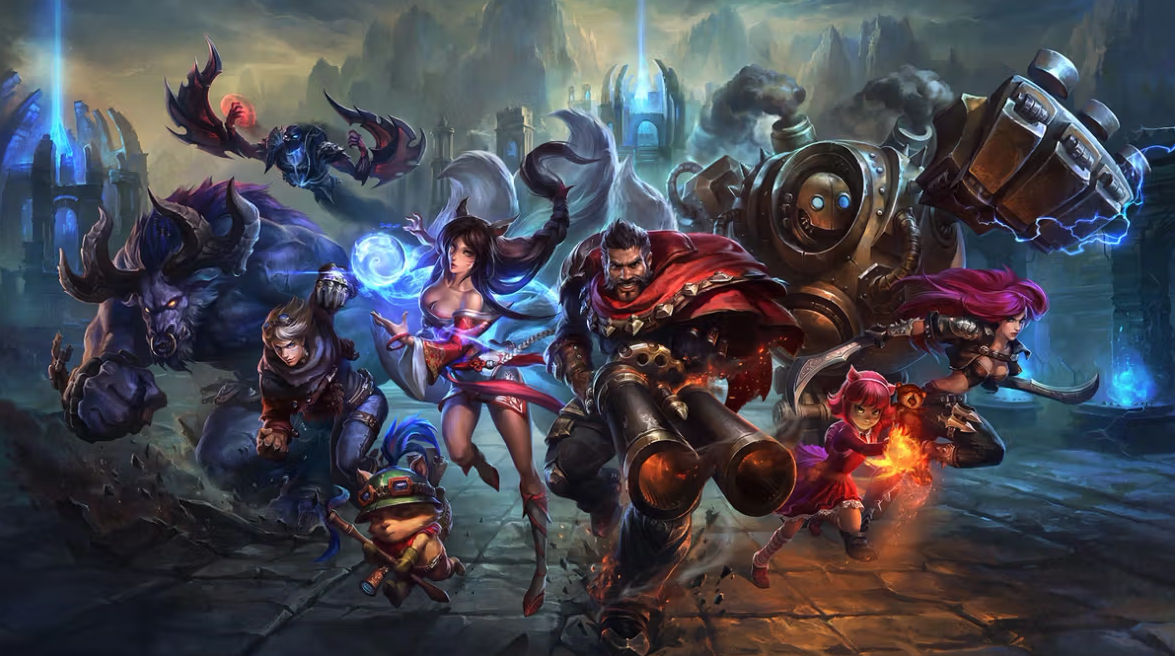
With just 40 champions when League of Legends first launched in 2009, these 40 players played a significant role in shaping the game’s future, as many of them were playable back then and remain playable today. When League of Legends first came out, players immediately fell in love with Ashe, Master Yi, Annie, and Alistar. Riot Games was still working to create champions with distinctive personalities and play styles at that time. The first champion even released after the game launched was Singed, which was just the start of the character roster.
2010: Finding a Rhythm
Riot released 12 new champions in 2010, some of which were good and some of which were bad, but they were starting to showcase their creativity in design. For example, Kog’Maw had a death pass that allowed him to explode upon dying, and, at the time, that was something unique. The gap between releases was about one champion per month. The game was starting to gain momentum.
Also Read: All League Of Legends Seasons Start And End Dates
2011: The Rise of Lore and Complexity
The momentum continued in 2011 with 25 new champions. This is also the year we received Lee Sin, who quickly became a champion for highly skilled players, as well as Ahri, who, with her charm and nine-tailed fox theme, was a fan favorite. Riot also began investing more in the lore by connecting champions to different regions, such as Ionia, Noxus, and Demacia. From the 2011 release Champions, you can already begin to see the LoL world come to life.
2012–2013: Refining the Formula
Riot slowed the release schedule down a bit during this time, but as they slowed, they focused on having each of the champions feel more polished. 2012 included Diana, Zed, and Jayce, all of which are still strong champions today. 2013 included unique champions like Jinx and Yasuo, both of which gained popularity due to their fun play and distinctive personalities. Yasuo represented a high watermark for this movement; he had high flair, high risk, and high reward play. Champions, from this point on, began to feel more like living characters in a living world.
2014–2016: Experimenting with Design
These years were marked by numerous innovations. Riot began experimenting with more champion kits and exploring mechanics that altered the game’s play style in unique ways. In 2014, we saw Vel’Koz bring actual damage from range, and Kalista introduced a new way to interact with allies altogether. 2015 brought us Ekko and his ability to rewind time, which added a whole new level of skill expression to gameplay.
2016 was especially significant in a broader sense because it was the year we acquired Kled and Taliyah. Kled and Taliyah were champions who utilized movement and terrain in creative ways to alter gameplay. This era also brought more diverse representation in the game, from visuals to voice actors, which helped the global community feel a greater sense of connection to the game.
Also Read: How Big is League of Legends’ Size?
2017–2019: Storytelling Takes Center Stage
By looking through LoL champions released during this timeframe, we begin to see a new trend: deep, engaging storytelling. Xayah and Rakan represented a new level of partnership with their gameplay synergy and romance. In 2018, we saw Kai’Sa, and we weren’t just talking about a new champion with mechanics but also a deep background story. Then there was Pyke, the support assassin, who turned our conventional idea of a support champion upside down. He showed that a support champion didn’t have to be a healer; the support role could be fatal, too.
Senna, the champion that gamers had been waiting for and who might be connected to Lucian’s tale, was introduced by Riot in 2019 in honor of League’s tenth anniversary. The release of Senna was a significant event; Riot’s cinematography made an impression and moved fans of the 2009-released game to tears, showing her ongoing ability to blend gameplay with poignant, in-depth narratives.
2020–2022: Champion Diversity and Cultural Influence
These years gave us champions who inherently represented cultures and ideas from around the world. Released in 2020, Yone, Lilia, Samira, and Seraphine each had unique personalities and roles in mind. Seraphine was introduced in this instance as part of a comprehensive campaign that spanned multiple media channels and featured her as a virtual pop star.
With champions like Akshan (a charming rogue with a grappling hook) and Vex (a Yordle, a melancholy yet empathetic character with emo overtones), 2021 featured even more experimental, atypical fantasy ideas. 2022, on the other hand, saw Zeri inspired by the Filipino community and Nilah, who brought a fun new energy to the feel of the Rift and her people through her water magic.
These years of the influx of champions were also indicative that Riot was tracking the expansion of the growing global fan base. There were regional voice actors, cultural details, and reminders of our champion’s history to include more inclusively.
Also Read: All League of Legends Champions By Release Date
2023–2025: Evolving with the Players
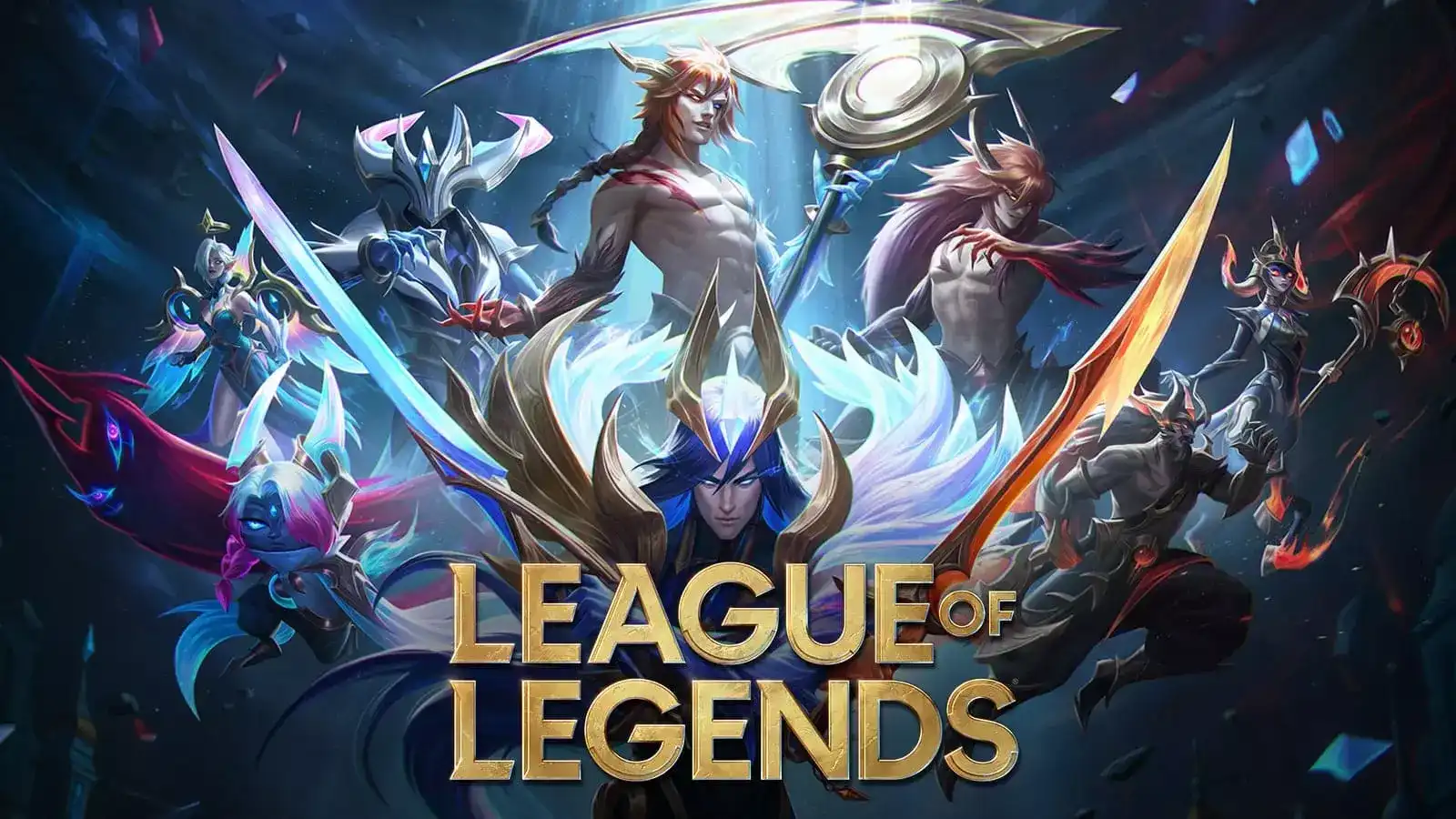
In more recent history, League of Legends champions based on release date show the awareness of Riot over changing gameplay and fan expectations. The champions released in 2023 and 2024 were Naafiri, Milio, and Briar, which utilized accessible designs blended with depth. Riot’s goal was clear as they began to make champions who were easy to learn but still hard to master.
In 2025, Riot continued this trend with champions of varying skill levels. Some champions are constructed to help new players, while others challenge veteran players to master complex mechanics. The champions released this year so far feel balanced and fair, yet still fun enough to shake up the meta.
Looking ahead, Riot has stated that they will create champions that lean into new themes, possibly including sci-fi or horror. While it is not confirmed, the design direction certainly feels more abstract, playful, and experimental.
How Riot Balances Quality and Quantity
Looking through the entire list of LoL champions by release, it becomes very apparent that Riot has shifted its priorities over the years. Initially, the developer prioritized getting champions out quickly. Now, the focus is far more on quality than quantity. New champions get their animations, music, and even comics and novels, to name just a few. So when Riot releases a character, they are not just releasing a character, but a whole experience.
The shift means releases are down for the number of champions every year, but players can take comfort in releases that feel more impactful. Instead of players seeking the incentive of gameplay, they are now looking forward to the new characters and expecting to see the story as well.
Also Read: 4 Ways To Find Out How Much Time Wasted on LOL (League of Legends)
Why the Release Order Matters
Understanding League of Legends champions by release gives you more than just a history. It helps illustrate how the game has matured. A champion that is released in a particular year provides insight into the mindset of that year—as much as it is what the players wanted, it is what Riot wanted to experiment with and where the meta was potentially going.
From the Garen spin-to-win, simple designs to a complex kit with dashes, invisibility, and terrain manipulation, it’s such an incredible trajectory. Riot’s dedication to maintaining playability across the board is shown by the fact that certain older champions have even received reworks to remain relevant.
Both new and returning players can see how far the League has gone by exploring champions in the release sequence. It is a living history that demonstrates ingenuity, community, and ongoing development rather than just a list.
Conclusion
It’s like flipping through the history book of the game when LoL Champions is released. An enormous universe of intricate and varied champions, containing the memories of innumerable players from all over the world, grew from a tiny collection of straightforward characters. Whether it’s a clever feature, a loud voice line, or a connection to more significant thematic aspects, each champion brings something special to the game. This complexity keeps League of Legends alive by engaging players and motivating them—even when it exhausts us. The champions are what give the game life and create enduring memories, whether you’re sweating nervously in ranked matches or playing casually with friends.