
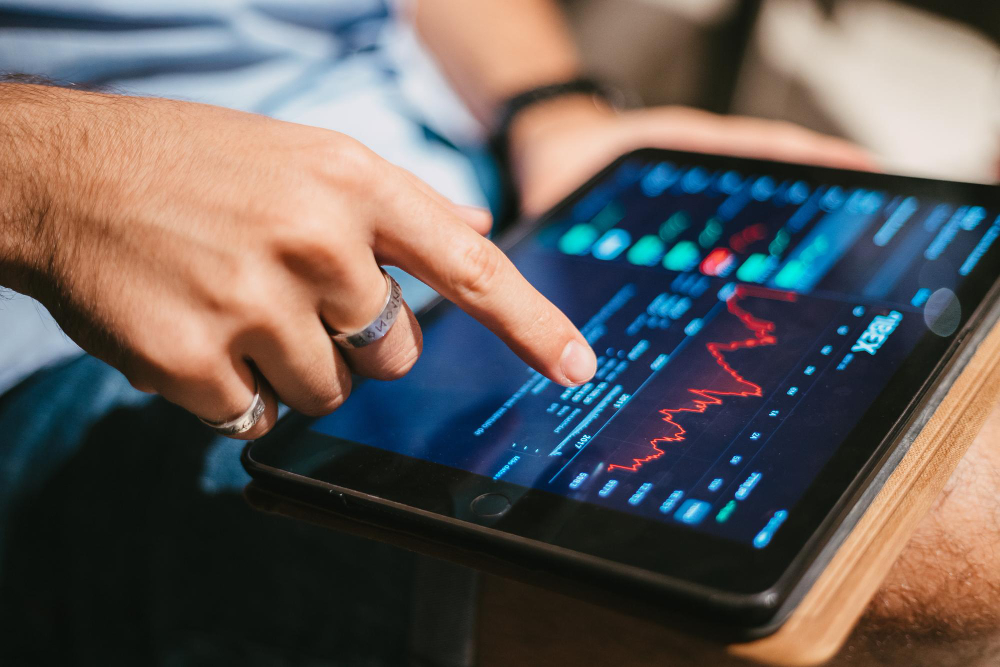
Gamers are used to putting numbers on outcomes. Win probabilities, draft odds, the percentage chance a team takes a series. Prediction markets take that instinct and attach real money to it, letting people trade contracts on whether a future event will actually happen. The result is a category that sits squarely between gaming culture, crypto, and old-fashioned forecasting, and it has grown fast over the past two years.
The basic mechanic is easy to pick up. A prediction market lists a contract on a specific outcome, and you buy or sell it at a price between one cent and 99 cents. That price reads as a probability. A contract trading at 30 cents means the market gives that result a 30% chance. If the event happens, the contract pays out a dollar. If it does not, it settles at zero. You can hold to resolution or trade the position as the price moves.
What you can actually trade
The range of markets is wider than newcomers expect. Sports drive most of the volume, but the menu reaches into territory that overlaps directly with gaming and online culture. You can trade contracts on award winners, on pop-culture outcomes, on which technology or AI model leads in a given month, and on the kind of event questions that used to live only in forum threads and group chats. Some platforms list mention markets that resolve on what a public figure says in a given week.
For anyone who already follows esports, awards season, or the release calendar, the appeal is obvious. A debate that used to be settled by argument now has a live price attached, and that price moves every time the news does.
Kalshi and the regulated model
The platform most people start with is Kalshi, a CFTC-regulated event-contract exchange. Regulation is the headline difference from the offshore sites of the past. Kalshi operates under the Commodity Futures Trading Commission, the federal agency that oversees derivatives, which means the contracts are treated as financial instruments rather than wagers. The exchange lists thousands of active markets, processes billions in volume each month, and is available in most US states.
It also leans into the crypto-native crowd in ways gamers will recognize. The platform supports a range of funding methods, pays interest on idle cash balances, and runs the kind of clean, app-first experience that feels familiar to anyone who has used a modern trading or gaming app. New users can usually claim a sign-up bonus, and DeFi Rate keeps a verified Kalshi promo code page that lists the current offer and the exact steps to redeem it, which saves hunting around for a code that may already have expired.
Why the prices are worth reading
Even if you never place a trade, the prices are useful information. A contract that drifts from 40 cents to 60 cents over a week is reacting to something real, and the timing usually points to the cause. Volume is its own signal, because money concentrates on the outcomes the crowd considers genuinely uncertain. A market sitting untouched at 95 cents is, in the crowd’s view, already decided.
That is the genuinely interesting part for a gaming audience. Prediction-market pricing is a running, money-weighted forecast of things people care about, updated faster than any commentator can talk. It is the wisdom of the crowd, expressed in cents.
The idea has a long history
This is not a brand-new concept dressed up in a crypto wrapper. The University of Iowa has run real-money markets on real-world events since 1988 through its Iowa Electronic Markets, built to test whether crowd pricing forecasts outcomes better than traditional polling. The current wave of apps traces its lineage directly back to that academic work. What changed is the scale, the regulation, and the polish of the interface.
The regulator publishes its framework openly, too. Anyone who wants to understand how these contracts are classified can read the CFTC’s approach to event contracts rather than take a platform’s word for it.
Play it smart
A few things are worth keeping in mind before treating a market price as gospel. The crowd is wrong all the time, and thin markets on niche outcomes can swing on small volume, which makes their prices less reliable than the heavily traded ones. Every contract has resolution rules that spell out exactly how and when it settles, and the most common new-trader complaint comes from skipping that detail and assuming a market means something other than what it says.
The sensible approach is the same one good gamers already apply to odds and win probabilities. Read the number as an estimate, not a certainty. Watch how it moves rather than fixating on a single snapshot. And only ever put in money you are comfortable losing, because no outcome is guaranteed no matter how confident the price looks.
Where this is heading
Prediction markets have moved from an academic curiosity to a regulated, app-based category in a short span, and the overlap with gaming culture keeps growing as platforms add markets on esports, awards, and tech. For players who already think in probabilities, the learning curve is short. The next time a major release, a tournament, or an awards race is up for debate, there will be a live price on it, and knowing how to read that number is its own small edge.