
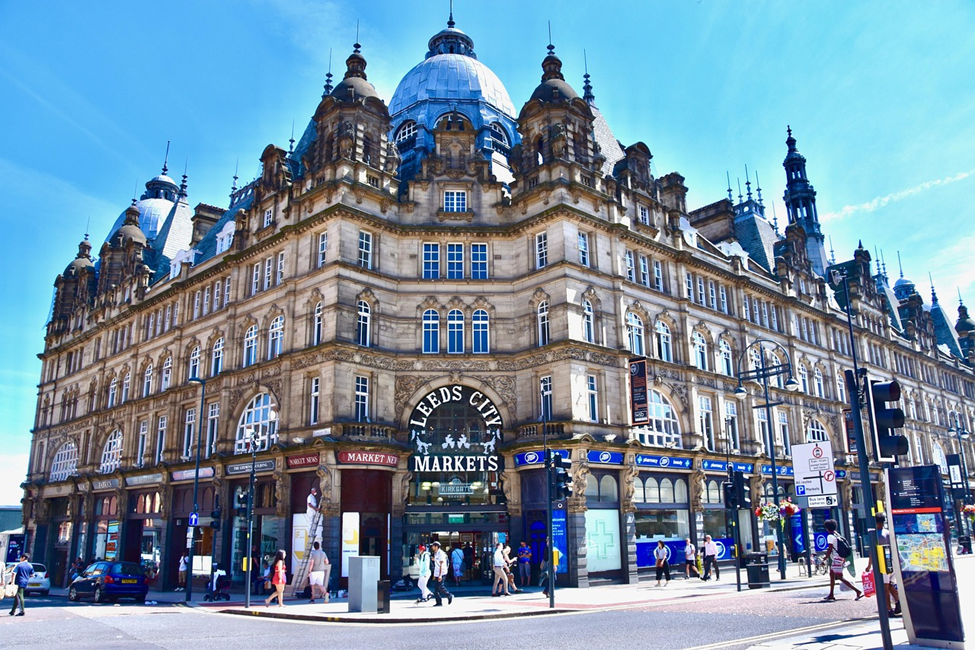
The transformation of gaming culture across Yorkshire over the past few decades tells a fascinating story of technological advancement and changing social habits. Traditional community venues that once dominated the entertainment landscape have gradually given way to digital alternatives that offer convenience and variety. This shift reflects broader changes in how people across the region choose to spend their leisure time and engage with entertainment.
Yorkshire residents today have unprecedented access to gaming options, with many choosing to play casino without money through demo versions before committing to real stakes. This cautious approach mirrors the traditional Yorkshire values of prudence and careful consideration that have long characterised the region. The evolution from physical venues to digital platforms has been particularly pronounced in urban areas like Leeds, Sheffield, and Bradford, where younger demographics have embraced online alternatives.
The Golden Age of Yorkshire Gambling
Bingo halls served as the focal point of the region’s social game culture in the 1960s and 1970s. These venues served multiple purposes beyond simple entertainment and functioned as community gathering spaces where friendships flourished, and local news was exchanged. The largest halls could accommodate over 1,000 players on busy evenings, which creates an atmosphere of shared excitement and anticipation.
Popular venues like the Mecca Bingo in Sheffield and the Gala Bingo in Leeds became integral parts of their local communities. Regular players developed familiar routines and often claimed the same seats week after week and formed lasting social bonds. The ritual of checking numbers, the distinctive caller voices, and the communal celebrations of winners created a unique cultural experience that defined evening entertainment for many local families.
Traditional Gaming Venues Across Yorkshire
| City | Notable Venue | Peak Years | Capacity |
| Sheffield | Mecca Bingo Attercliffe | 1970–1995 | 1,200 |
| Leeds | Gala Bingo | 1997–now | 800 |
| Bradford | Top Rank Bingo | 1965–2000 | 950 |
What Caused the Decline of Physical Gaming Venues?
● Rising Property Values
The economic factors made it increasingly expensive to maintain large venues, while changing work patterns meant fewer people were available for weekday evening sessions. The smoking ban introduced in 2007 also affected attendance, as many regular players had previously enjoyed cigarettes during games.
● Economic Pressures

Many halls were unable to continue operating profitably after the 2008 financial crisis, which led to an increase in closures. Competition from television entertainment, improved home comfort standards, and changing social preferences all played roles in reducing attendance.
● The Demographic Shift
Younger generations show less interest in traditional bingo formats. Many venues attempted to modernise with electronic systems and updated decor, but struggled to attract new audiences while retaining older players who preferred familiar formats.
The Rise of Digital Gaming Platforms
The emergence of online gaming platforms coincided perfectly with the decline of physical venues. High-speed internet connectivity became widely available across Yorkshire during the 2000s, enabling seamless access to digital entertainment options. Early adopters discovered they could enjoy familiar games from home comfort without travel costs or time constraints.
Online platforms offered advantages that traditional venues could not match. Players could access games at any time, choose from hundreds of variants, and participate without minimum group requirements. The ability to control sound levels, take breaks when needed, and avoid crowded spaces appealed to many former bingo hall regulars.
Popular Online Gaming Categories in Yorkshire
- Bingo variants: 90-ball, 75-ball, and speed bingo.
- Slot games: Themed excursions and vintage fruit machines.
- Card games: Blackjack, poker, and various regional variants.
- Live dealer options: Real-time interaction with professional hosts.
- Scratch cards: Instant-win games with familiar mechanics.
Current Gaming Landscape

Today’s Yorkshire gaming scene demonstrates remarkable diversity. While some traditional venues continue operating successfully, they now compete alongside numerous digital alternatives that cater to different preferences and lifestyles. The COVID-19 pandemic accelerated the transition to online platforms as lockdown restrictions forced venue closures.
Modern online gaming sites specifically target Yorkshire audiences with localised promotions, regional chat rooms, and familiar game variants. Many platforms employ customer service representatives who understand local dialects and cultural preferences. This personalisation helps maintain the community feeling that characterised traditional bingo halls.
Gaming Platform Comparison
| Platform Type | Social Interaction | Convenience | Game Variety | Cost Factors |
| Traditional halls | High | Low | Limited | Travel + entry |
| Online bingo | Medium | High | Medium | Deposit only |
| Mobile casinos | Low | Very high | High | Data usage |
| Live dealer | Medium-high | High | Medium | Premium stakes |
Technology’s Impact on Gaming Culture
Smartphone adoption across Yorkshire has revolutionised gaming accessibility. Mobile apps allow players to participate during commute journeys, lunch breaks, or any spare moments throughout the day. This flexibility has attracted working professionals who previously could not attend evening venue sessions due to family or career commitments.
Social media integration has preserved some community aspects of traditional gaming. Players can share wins, participate in chat discussions, and follow favourite streamers or gaming personalities. However, this digital socialisation lacks the face-to-face warmth that characterised traditional bingo halls.
The introduction of live dealer games represents an interesting middle ground and combines online convenience with human interaction. Professional hosts provide commentary, acknowledge individual players, and maintain engaging atmospheres reminiscent of physical venues.
What’s Next?
The future of Yorkshire gaming appears increasingly digital, though some traditional venues continue serving dedicated communities. Hybrid models combining online and offline elements may emerge as operators seek to satisfy diverse player preferences. Virtual reality technology could potentially recreate the social atmosphere of traditional halls while maintaining online convenience.
Regulatory frameworks continue evolving to address digital gaming growth while protecting vulnerable players. Yorkshire councils and community organisations increasingly focus on promoting responsible gaming practices across all platform types. The gaming landscape that emerges will likely reflect technological capabilities and enduring Yorkshire values of community, caution, and genuine entertainment rather than pure profit seeking.