
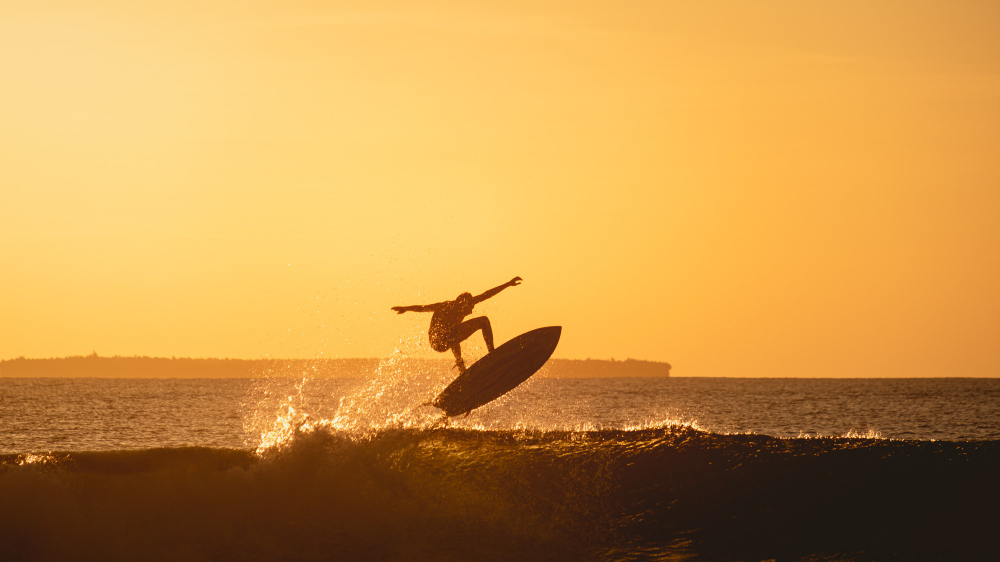
Surfing is worth an estimated £153 million a year to Cornwall’s economy. That figure includes surf schools, equipment shops, surf camps, accommodation, and the broader tourism that the sport pulls into the county. It does not include the less measurable things — the identity of a town, the reason certain people move there and stay, the way Newquay is talked about differently to almost anywhere else on the British coastline. Surfing arrived there in 1929, when a group of friends inspired by footage of Australian surfers took to the waves on wooden boards. The first British Surfing Championships were held at Fistral Beach in 1965. Cornwall College introduced the UK’s first Surf Science degree in 1999. The infrastructure that has built up around those origins is now the most developed surf lesson market in the country.
All of which is useful context for anyone deciding where to book their first surfing lesson.
Why Newquay Specifically
The practical answer is geography. Newquay sits on the north Cornish coast with direct exposure to North Atlantic swell — the ocean fetch between it and the eastern seaboard of North America is essentially unobstructed, which is why consistent rideable waves arrive here when they don’t reach sheltered bays further down the coast. The town has over ten beaches within easy distance, each with different characteristics, and reputable surf schools select their teaching location daily based on conditions rather than fixing their lessons to a single spot.
That beach selection matters considerably for beginners. Fistral Beach faces west-northwest directly into the Atlantic, hosts the Boardmasters Festival annually, and produces the kind of proper surf that experienced surfers travel for. It is not where you start. Towan Beach, set deeper into Newquay Bay, receives protection from dominant westerly winds and swells — it produces the gentler, more consistent whitewater that beginner surfing lessons actually need. The distinction between these two beaches is something a good surf school navigates automatically. It’s worth knowing about it before booking, because not every school explains it upfront.
Watergate Bay, a few miles south of town, is two miles long, rarely crowded by Newquay standards, and produces excellent beginner conditions in summer. Crantock, across the Gannel estuary, is quieter still and better suited to those who already have a few sessions under their belt and want space to practice without the density of high summer on the main town beaches.
What Surfing Lessons in Newquay Actually Involve
A standard beginner lesson runs 90 minutes to two hours. It starts on the beach, not in the water. The pop-up — the movement from lying flat on the board to a standing position — is drilled repeatedly on dry sand before anyone paddles out. This is the move that catches out almost every first-timer in the water, and doing it correctly on land is significantly less exhausting than figuring it out mid-wave. Paddling technique, wave awareness, and how to fall safely are covered before the group walks into the shallows together.
Over 90% of people stand up on their first lesson. The equipment helps — beginner schools use large, wide foam boards specifically designed to be stable and forgiving in whitewater — but so does structured instruction from a properly qualified surf coach. In Newquay, the benchmark qualification for instructors is ISA Level 1 certification, accredited through Surfing England. A beach lifeguard qualification runs alongside it as a separate requirement. Schools displaying Surfing England accreditation are operating to a defined standard. Those that don’t are worth approaching with more scrutiny.
Group size is the other variable worth asking about before booking. Six to eight students per instructor is a reasonable maximum for a beginner lesson. Some schools push that higher, which reduces the amount of feedback each student receives and the number of waves they get. Smaller groups cost more; they are generally worth it.
Timing
The summer school holiday period — July and August — is the busiest and the most expensive. The water is at its warmest, the days are longest, and demand outstrips supply at good schools, which sell out weeks in advance. September and October are the better call for most first-timers: sea temperature is still reasonable, crowds thin considerably, autumn swells begin building, and the waves are often cleaner than anything available in summer. Newquay surf schools operate year-round. Winter lessons happen in 5mm wetsuits with hoods and boots, and a smaller, committed crowd.
adventuro lists surfing lessons and surf schools across Newquay and the wider Cornwall coast at adventuro.com — a practical starting point for comparing accredited schools by location, experience level, and availability before booking.
The pop-up is the hardest part. The beach is where you learn it, not the water. That’s the thing most people wish someone had told them beforehand.