
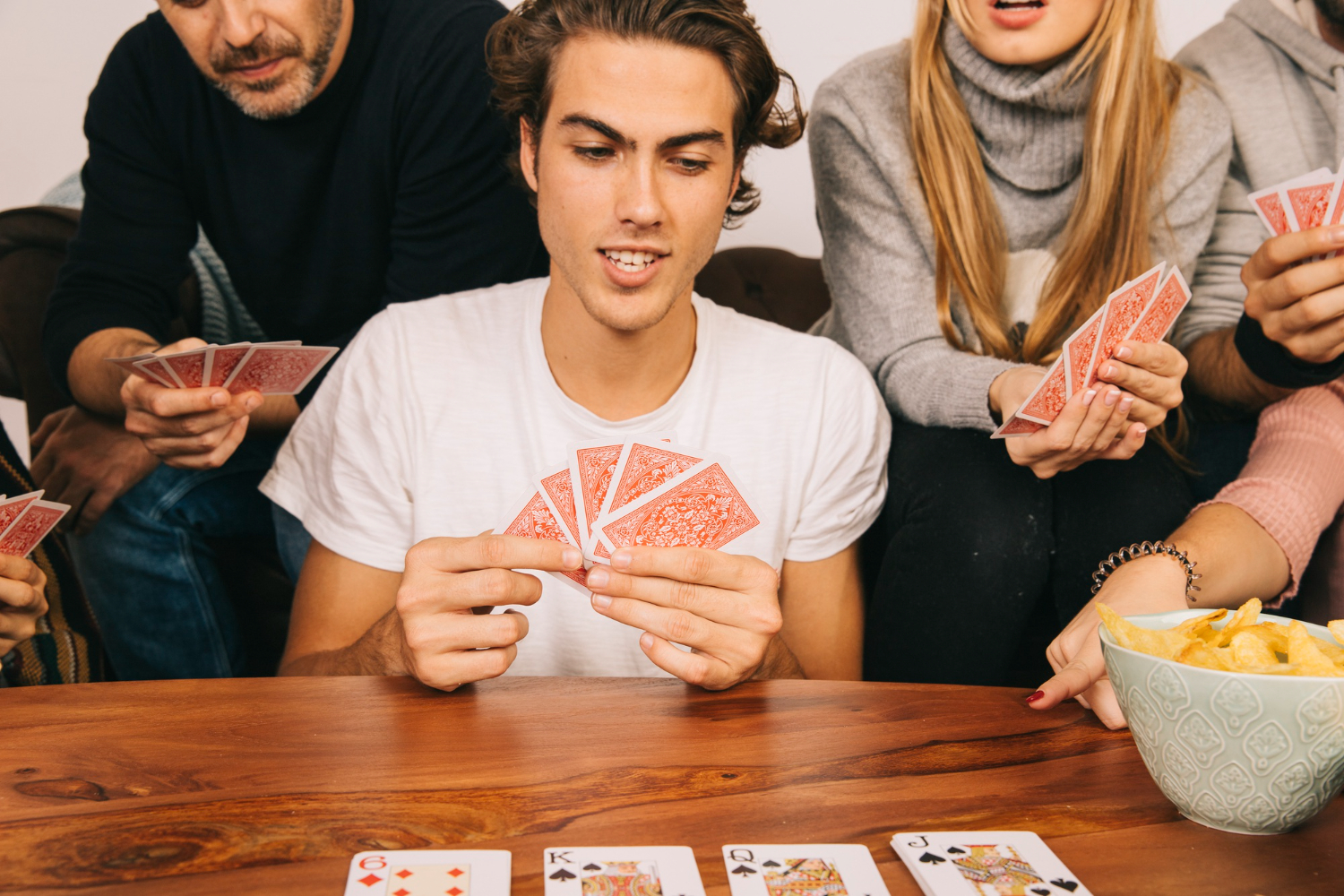
Most people write off solitaire as a waiting-room habit. Something you open while a file downloads. That’s a mistake. It ignores what actually happens on the felt.
FreeCell has almost no luck baked into its design. Deal a standard FreeCell hand and, with rare exceptions, the game is winnable if you play it correctly. There’s no shuffle-based excuse for a loss. That single fact separates it from Klondike, from most casual mobile games, and honestly from a lot of what passes for strategy gaming on a phone screen in 2026. Dailygame.net covered the major FreeCell variations worth learning a little over a week ago, and the piece undersold something bigger. The reason those variations still matter is that the genre never actually lost its audience. It just got quieter about it.
What’s changed recently isn’t the game. It’s the attention being paid to why it works.
The Cognitive Case Nobody Was Making Ten Years Ago
Card games built around forced-move sequences, like FreeCell, Pyramid, and even some Klondike variants, require the kind of working-memory tracking that researchers have started taking seriously. A 2024 longitudinal EEG study published through NCBI found measurable differences in functional brain connectivity between players of strategy-heavy card and puzzle formats versus pure reflex-based games. The strategy group showed stronger patterns tied to decision-making and working memory over repeated sessions.
That tracks with what card players have said anecdotally for decades. You’re not reacting. You’re planning four or five moves ahead, holding multiple branching outcomes in your head at once, discarding the ones that dead-end. It’s closer to chess than to a slot reel.
This same skill-first logic shows up, in a much more commercial form, in blackjack and video poker. Both games reward players who understand odds, count outs, and adjust decisions based on visible information rather than pure chance. Basic strategy in blackjack shaves the house edge down to under 1% at most tables when played correctly, and video poker pay tables can be read and optimized the same way a FreeCell board can be solved. The skill ceiling is real in both. And right now, among licensed operators, some of the best new york online casinos are where these skill-leaning products are easiest to actually find and compare, since New York’s patchwork approach to online gaming has pushed a handful of operators to lean harder into games that reward strategy over pure luck.
Gambling involves risk regardless of the skill ceiling, so anyone exploring these products should only wager what they can afford to lose.
Back to the cards, though. That’s really the throughline here.
Why Solitaire Never Actually Went Away
Klondike solitaire shipped with Windows starting in 1990, largely as a way to teach a generation of office workers how to use a mouse without them realizing they were being trained. FreeCell followed a few versions later and, according to the history documented on Wikipedia’s Microsoft FreeCell entry, became one of the most-played programs on the platform almost by accident. Nobody at Microsoft was betting on solitaire becoming a cultural fixture. It just happened.
What’s interesting is that the appeal hasn’t faded even as flashier genres came and went. Match-three games peaked and plateaued. Battle royales became a genre unto themselves and then fragmented into a dozen sub-trends. Solitaire just kept being solitaire.
The Upcoming ran a piece connecting solitaire’s staying power to broader cultural patterns around mindfulness and intentional solitude, arguing that a single-player card game gives people a low-stakes way to practice sustained focus without the social pressure of a multiplayer lobby. That’s not a stretch. Anyone who’s played six FreeCell hands during a long phone call knows exactly what that feels like.
Game Developer took a more industry-facing angle in a piece on Forbidden Solitaire, examining how modern indie takes on the format reintroduced randomness and risk into a genre that had settled into a fairly rigid template. The article makes a case that solitaire mechanics are more flexible than the classic Windows version ever suggested, and that flexibility is exactly what’s letting the genre expand into skill-adjacent casino products without losing its identity.
The Overlap Between Solving a Board and Reading a Table
Here’s the part that actually matters for anyone who plays both. FreeCell rewards you for seeing the whole board before you touch a card. Video poker rewards you for reading the pay table before you touch a button. Blackjack rewards you for tracking what’s already been dealt before you decide to hit. Different games. Same underlying discipline.
None of this means every card game is secretly a skill game in disguise. Baccarat isn’t. Most slot mechanics aren’t, no matter how they’re marketed. The distinction matters, and treating every card format the same does players a disservice. But the honest skill-based tier, FreeCell on one end, video poker and blackjack on the other, shares a real cognitive thread. That’s worth naming plainly instead of lumping every card format into one vague “strategy game” bucket.
A 2023 review from the University of Wisconsin-Madison’s Alzheimer’s Disease Research Center looked at card and board game play among older adults and found consistent associations between regular structured card play and better outcomes on measures of processing speed and memory. It’s not proof that FreeCell makes anyone smarter. But it’s a real signal that the mental work these games demand isn’t decorative.
Where This Actually Lands for New York Players
New York’s regulatory picture around online gaming remains genuinely patchwork. Mobile sports wagering has been legal there since January 2022, but full online casino products still sit in a different legal category. Players often end up choosing between licensed operators, sweepstakes-style platforms, and social casino apps that all look similar on a phone screen but mean very different things legally. That confusion is exactly why the skill-based framing matters. It gives players a clearer lens for what they’re actually choosing between.
If you’re the kind of player who already tracks FreeCell win rates or memorizes optimal video poker pay tables, you’re not gambling the same way someone spinning slots is gambling. You’re applying a discipline you built somewhere else. That’s a real distinction, not marketing language.
FAQ
Is FreeCell actually a game of skill or is it luck-based like most solitaire? FreeCell is almost entirely skill-based. Nearly every standard deal is mathematically solvable with correct play, unlike Klondike where card order can make a win impossible regardless of strategy.
Do card games like FreeCell genuinely improve cognitive function? Research, including a 2024 NIH-backed EEG study, links structured card and strategy games to measurable changes in memory-related brain connectivity. It’s not dramatic, but the association is consistent across studies.
What’s the difference between a skill-based casino game and a pure chance game? Skill-based games let informed decisions change the odds. Blackjack and video poker reward strategy and pay-table knowledge. Pure chance games like most slots or roulette don’t respond to player decisions at all.
Why has solitaire stayed popular for over three decades? Cultural analysts point to its low-pressure, single-player structure as a rare space for sustained focus without social stakes. It also shipped preinstalled on Windows for decades, which built enormous early familiarity.
Are all card-based casino games skill-based? No. Baccarat and most slot-based card formats are pure chance regardless of how they’re marketed. Only games where decisions demonstrably change outcomes, like blackjack, video poker, or certain poker formats, qualify as genuinely skill-based.
The line between a solved FreeCell board and a well-played blackjack hand is thinner than most casual players assume. Both reward the same instinct: see the whole picture before you commit to a move. That instinct doesn’t disappear depending on which felt you’re sitting at. It’s probably the real reason this genre has outlasted every trend built to replace it.