
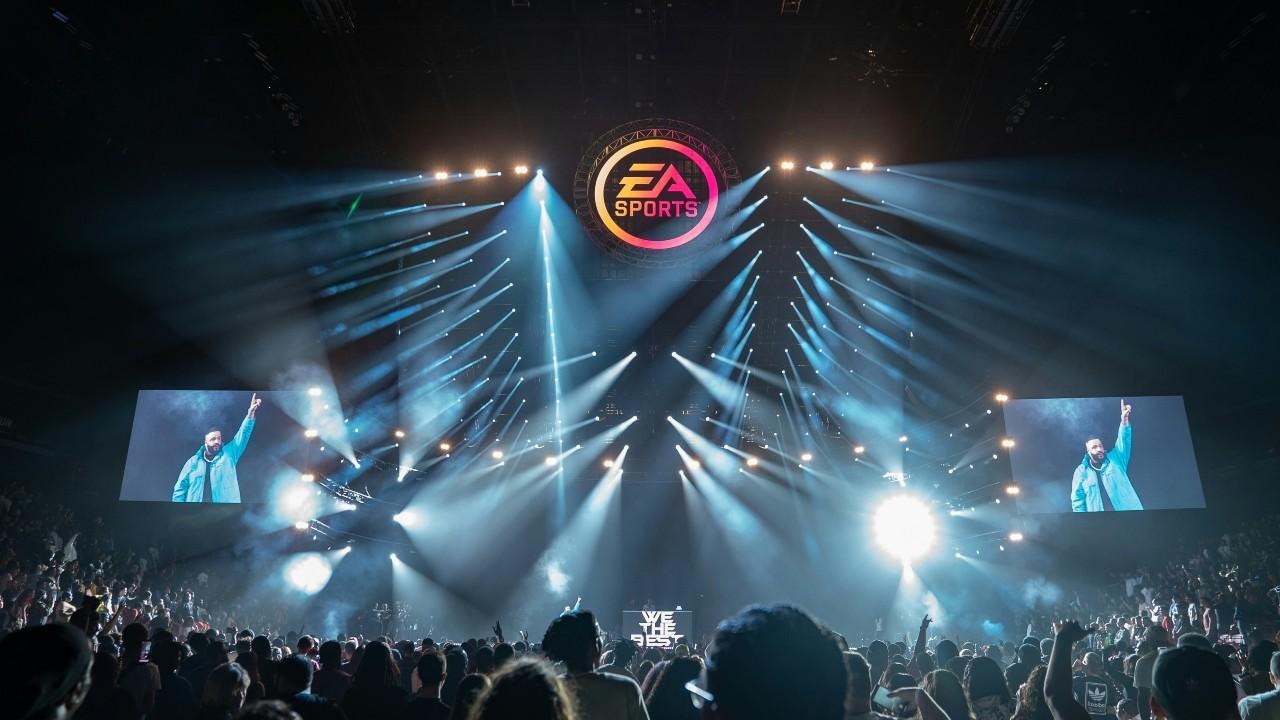
There used to be a stereotypical view that the worlds of sports and gaming never mixed. Sports fans would enjoy major leagues and events, while gamers would concentrate on more non-physical pursuits. The reality of the situation was always more nuanced than that, but it now seems as though traditional sports are a part of the gaming world in a bigger way than it has ever been before.
One of the main reasons for this shift is surely the rise in the popularity of esports. Gaming was always inherently competitive, but the emergence of esports transformed it into something more like the traditional sports model. The big events are now reported on, like the Super Bowl, and the range of online betting options for Canadians now includes The International as much as it does the Stanley Cup finals.
Can traditional sports make further inroads into the world of competitive gaming, though? In this article, we will look at how soccer, basketball, and football already play a major role in the popularity of esports, and what we might expect from a future where the traditional lines of fandom are increasingly blurred.
FIFA and Esports
Titles such as League of Legends, CS:GO, and Dota 2 remain as some of the most popular and widely-played esports on the market. But there is also a title based on a traditional sport that has become a mainstay of the industry. The FIFA game was first released in 1993, capitalizing on a long history of sports titles and the brand of soccer’s governing body.
Unlike other games and esports titles. FIFA did not need to grow a fan base. There were already millions of people around the world who enjoyed soccer as well as gaming. The development of the title over the years expanded its gaming credentials, and the first recognized FIFA esport event was held in 2004. It is arguably then that traditional sports first announced themselves in the world of esports.
Other Sports Titles
FIFA remains the number one title when it comes to traditional sports esports. Ironically, FIFA, as a governing body, has now lost the naming rights to the game, deciding that it could develop its own title. That has largely been a failure, as EA Sports FC is now the recognized title, even though many of its users still refer to it as “FIFA”.
It makes sense that a game based on the world’s game is the most popular esport based on a traditional sport – but there are others. Other big leagues and sports are also represented on an esports level, such as NBA2K and Madden NFL. The success of FIFA has alerted all traditional sports to the money to be made from esports and gaming.
The Importance of Sports Betting
When it comes to the growth of esports and the number of traditional sports fans turning to gaming, the importance of the rise in sports betting cannot be overestimated. This is particularly true for gamers and sports fans in the US, but similar trends have occurred all around the world.
The US drastically amended its sports betting laws in 2018, allowing millions more people to legally gamble. The COVID-19 pandemic just two years later saw traditional sports largely disappear, and betting companies turned to covering esports in an attempt to keep the sector alive. Many traditional sports fans were first made aware of esports at this time, and the crossover of communities has only grown ever since.
Traditional Communities Changing
It is this new growth area in gaming that has fueled the rise of the traditional sports-themed esports title. Where society used to be based on more tribal lines, with little crossover and mixing, the rise of technology and living our lives online has meant that people are far more open to exploring many different pastimes and communities now.
There is nothing strange in a soccer fan playing video games these days, in the same way that titles like NBA2K and EA Sports FC are played by people who would not have traditionally considered themselves to be sports fans. There is nothing stopping people from playing the games they want to, and that has seen more traditional sports entering the esports world.
Hybrid Games
The influence traditional sports have had on esports can be seen in titles that are not strictly one or the other. It may be true that sports fans prefer to play games that feature actual athletes, teams, and leagues, but there is also a big market for games that take the best of traditional sports and mix them with gaming tropes.
Rocket League is probably the best example of this crossover, taking the excitement of a soccer game, but replacing the athletes with vehicles. The success of Rocket League suggests that there could be many more mash-up games developed to meet the demand for a new form of esport that combines elements from both worlds.
The Future
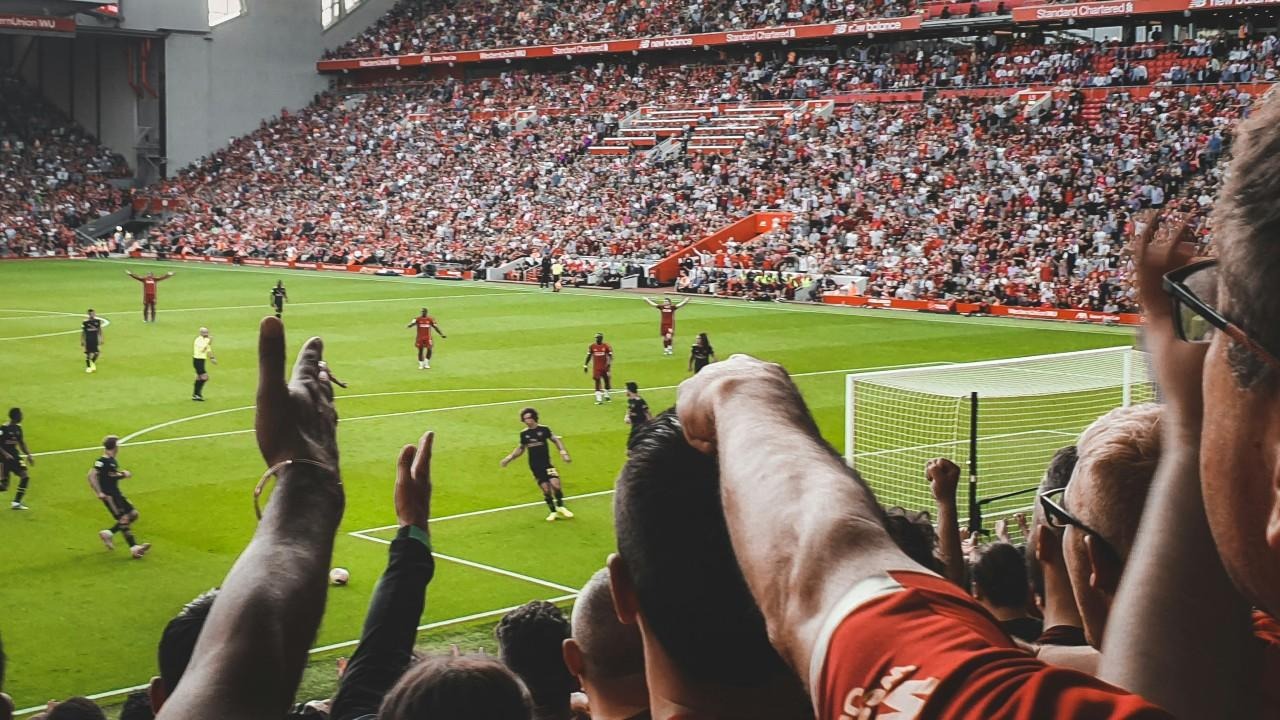
It seems very likely that the convergence of two, supposedly different and separate, communities will only grow stronger in the future. Rather than looking to take over, traditional sports has been quite happy benefiting from the multi-billion dollar industry that is esports, and will continue to be a part of it.
With traditional community lines now blurred, it seems questioning the inclusion of traditional sports in an esports arena is outdated. Just like esports are here to stay, so is traditional sports’ role in that. Gamers and sports fans have both decided that the future of esports is for everyone.