
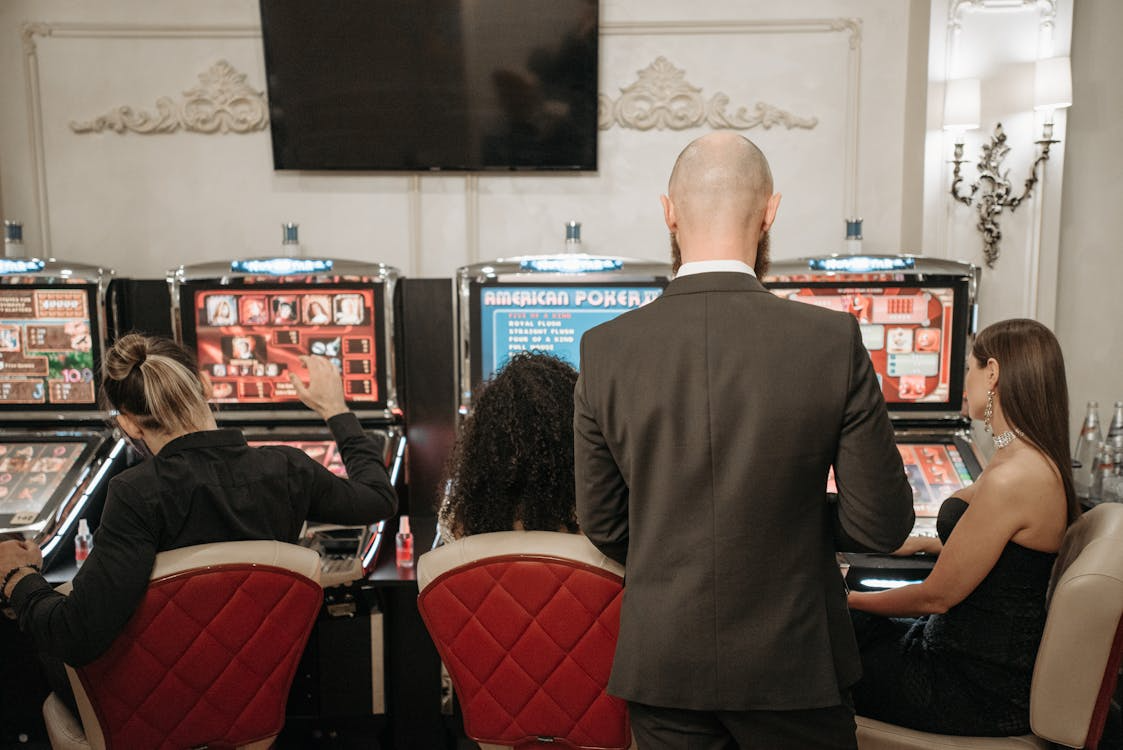
Nobody really predicted how fast online casino gaming would take off in the US. Not even the people who spent years lobbying for legalization. A few years ago, spinning slots legally from your phone simply wasn’t an option for most Americans – and now it’s just something people do. Longtime casino regulars ditched the road trip and downloaded an app. A younger crowd who never had much interest in driving to a casino found their way to the same games anyway. Different paths, same destination.
And slots were always going to be the anchor. Now, trustworthy sources like Casino Guru and other comparison sites regularly track player preferences across regulated markets, including the rising interest in real money slots throughout the USA as new slot releases continue to gain traction with US casino audiences. So, what’s the appeal? Storylines with real depth. Visuals that wouldn’t seem out of place in a console game. Bonus rounds that feel like events rather than interruptions. The players coming into this market grew up gaming. They’re not going to stick around for something that feels cheap, and the developers building these titles know it.
How the US Market Got Here
Pennsylvania, Michigan, Connecticut – a few years ago, fully regulated online casino markets in those states would have seemed like a stretch. New Jersey moved first and basically settled the argument. Revenue came in, nothing collapsed, and other states started doing the math.
What followed was a scramble for players. Millions of Americans now have access to licensed platforms that are actually accountable to someone, and that number is still climbing. For the slot market, that means one thing: the appetite for fresh content is massive, and operators can’t afford to let their libraries go stale. Bored players leave, and there’s always somewhere else to go.
What’s Actually Changed With the Games
For most of its history, a slot machine was a pretty blunt instrument. Three reels, a handful of symbols, and a result that arrived whether you were paying attention or not. There’s an honesty to that, but it only holds someone’s interest for so long.
The gap between that and what’s being released now is genuinely hard to overstate. Symbols that cascade and clear rather than just landing and sitting there. Wilds that expand to cover whole columns. Bonus rounds that pull you into something that feels more like a mini-game than a feature. Some titles have progression systems where what you’ve unlocked actually changes the experience. It’s a lot to absorb – but players have responded to it, because for the first time, something feels like it’s actually unfolding rather than just happening to them.
Story and Theme – More Important Than Anyone Expected
The received wisdom for a long time was that the theme was basically wallpaper. Pick something broadly appealing, give it a catchy name, move on. The games that have broken through recently suggest that was wrong.
Story sticks. Not always in an obvious way – players aren’t necessarily sitting there reading lore – but the difference between a game with a real sense of place and one that’s just dressed up shows up in how long people stay. Norse mythology done properly, crime settings with actual atmosphere, fantasy worlds that feel like someone spent time thinking about them. When the theme holds together, players have a reason to come back that isn’t just about what they won or lost last time.
On the features side, free spins have essentially become the baseline expectation – they’re what you offer before you get to the interesting part. The mechanics that are actually moving the needle right now are the ones that build across a session: multipliers that grow and make the later stages of a bonus feel genuinely tense, pick games where your decisions have real weight, buy-in options for players who’d rather skip the wait. The studios putting these together well are the ones whose new releases actually get talked about.
Mobile, Big Wins, and Why Regulation Actually Matters
Most slots in the US are being played on phones. Not roughly half – most. That’s shaped everything about how games get built now. The ones that feel right on mobile weren’t adapted for it; they were designed for it from the start. That distinction is obvious the moment you pick them up.
The jackpot appeal hasn’t faded at all. If anything, watching a progressive counter tick toward eight figures in real time while you’re playing makes it more visceral than it ever was on a static machine. High-volatility games work on the same principle – long quiet patches and then a moment that reframes everything before it. Not everyone’s idea of fun, but for the players it connects with, nothing else really compares.
Regulation has quietly become a genuine selling point. Players who’ve moved from offshore sites to licensed state platforms tend to notice the difference fairly quickly. It just feels more solid. Because it is – tested games, transparent return rates, somewhere to turn if something goes wrong. That trust has commercial value, and the operators who’ve built it are seeing the benefit.
What’s Coming
Personalisation is already happening on the better platforms – lobbies that shift based on what you actually play, rather than whatever the operator decided to feature that week. Gamification is becoming standard rather than a bonus. VR is edging toward something workable. The slot market in 2030 is going to look pretty different from today, and the pace of change doesn’t seem to be slowing down.
For players in states where this is all legal, it’s a reasonable time to be paying attention.