
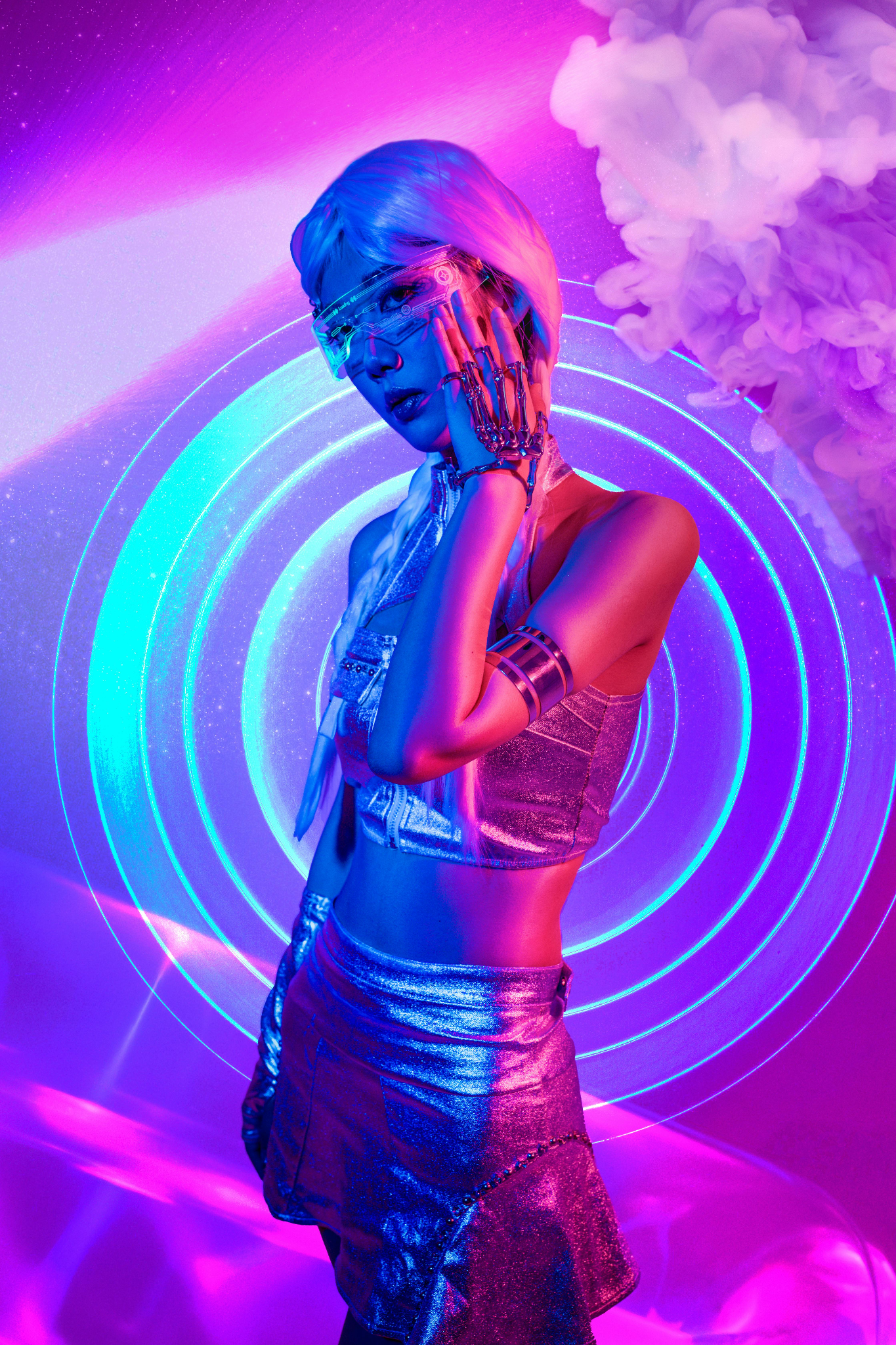
The internet never sleeps. And now, neither do its biggest stars — because some of them were never alive to begin with.
What Are AI-Generated Influencers, Exactly?
Virtual personalities have existed on the fringes of pop culture for decades. Think early CGI mascots or the fictional pop star Gorillaz. But something shifted. Hard.
Today’s AI-generated influencers are hyper-realistic digital avatars powered by machine learning. They post daily. They respond to comments. They land brand deals worth millions.
Lil Miquela, arguably the most famous virtual creator, has over 2.5 million Instagram followers. She has partnered with Prada, Calvin Klein, and Samsung. She is not real — and that seems to matter less and less to her audience.
The Numbers Don’t Lie
The influencer marketing industry was valued at $24 billion globally in 2024. Virtual influencers are carving out a fast-growing slice of that.
A 2023 HypeAuditor study found that virtual influencers generate 3x higher engagement rates than human ones. Brands pay attention to that.
The AI content creation market is projected to exceed $1.8 trillion by 2030. Digital avatars are a natural extension of that wave — programmable, scalable, and immune to scandals.
Why Brands Are Switching to Virtual Creators
Control. Cost. Consistency.
Human influencers are unpredictable. They say the wrong thing. They get tired. They negotiate hard.
Virtual personalities don’t. A brand can script every post, every caption, every live stream. There’s no PR crisis waiting to happen at 2am.
Budget-wise, creating and maintaining a virtual influencer costs significantly less over time than managing a roster of human talent with agents, contracts, and exclusivity clauses.
Global Reach Without Timezone Friction
A digital avatar can post in Mandarin at 9am Shanghai time, switch to Spanish for a Latin American audience by noon, and run an English-language livestream for New York in the evening.
No travel. No jet lag. No visa issues.
Privacy, Safety, and the Online Ecosystem
Navigating a More Complex Internet — Including VPN Use
As virtual influencers grow, so does the digital infrastructure around them. Creators, marketers, and audiences alike operate across borders, platforms, and restricted networks. Many users — especially those in regions with heavy content filtering — rely on tools like VeePN free VPN to access the platforms where these virtual personalities live. Whether it’s TikTok, Instagram, or niche creator networks, a reliable VPN has quietly become part of the everyday toolkit for a connected global audience. The intersection of AI entertainment and digital access isn’t just a technical detail — it shapes who gets to participate in these new cultural spaces and who gets left out.
Social Media Innovation: The Platforms Fueling the Shift
TikTok, Instagram, and the Algorithm Advantage
AI-generated influencers are optimized for algorithmic success from the start. Their content is tested, iterated, and published on a schedule no human could maintain.
TikTok’s algorithm rewards consistency and volume. Virtual creators can post 10 times a day without burnout. That’s not a small edge — that’s a structural advantage.
Instagram has seen a surge in AI content creation accounts since 2022. Some have crossed 500,000 followers within months of launching.
YouTube and Long-Form AI Entertainment
Virtual YouTubers — or “VTubers” — originated in Japan and have exploded globally. The VTuber market was worth approximately $1.5 billion in 2023.
Agencies like Hololive and Nijisanji manage hundreds of virtual creators. Their live streams regularly pull tens of thousands of concurrent viewers. Some earn more than top human creators.
The Ethics of Synthetic Identity
Who owns a virtual influencer’s image? What happens when a brand sells or discontinues one? Can a digital avatar be harmed by defamatory content?
These questions are not resolved. Legal systems worldwide are playing catch-up with a technology that evolves quarterly.
The Road Ahead for Digital Marketing Trends
Personalization at Scale
The next frontier is hyper-personalized AI influencer content. Imagine a virtual creator that adapts its messaging dynamically — different tone for different followers, based on real-time data.
That’s not science fiction. Pilots are already running in Korea and the US.
Brands investing early in virtual creator infrastructure are positioning themselves for a fundamentally different marketing landscape. One where the “face” of a campaign can be generated, tested, and retired without a single phone call to a talent agency.
For anyone working in or consuming this space, staying connected and informed matters more than ever. The VeePN Chrome extension has become a practical tool for marketers and enthusiasts who need unrestricted access to global content trends. This is a small utility with real utility in a world where the next big virtual creator might launch first in a market you can’t reach without it.
What This Means for Human Influencers
Collaboration, Not Replacement — For Now
Many human creators are integrating AI tools rather than competing with them. AI assists with editing, scripting, translation, and scheduling.
Some human influencers have even created AI versions of themselves. They license their likeness to brands while the AI “version” does the posting.
It’s a strange new economy. But it’s already here.
Final Thought
Virtual personalities are not a gimmick. They are infrastructure. The brands, creators, and platforms that understand this now will define what influencer marketing looks like in 2030.
The question isn’t whether AI-generated influencers will matter. They already do. The real question is how fast everyone else catches up.