

Using an extension cord that cannot safely handle an appliance’s current draw can cause overheating, damage to the cord, and increase the risk of electrical fires. In high-power applications, choosing a cord with the appropriate wire gauge, current rating, and length is essential for safe and reliable operation.
Undersized extension cords can also cause voltage drops, which may affect equipment performance. Understanding these risks and selecting a cord that meets the equipment manufacturer’s requirements can help prevent electrical hazards and reduce the risk of equipment damage.
This article explores the common problems caused by undersized extension cords in high-power applications and explains how to choose a suitable cord to support safe operation.
1. Excessive Heat Can Build Up in the Cord
Current flowing through resistance generates heat. Smaller conductors have more resistance. So a heavy load can cause an undersized cord to heat up more. Long-term heating can damage insulation, plugs, and connections.
Too much current can overheat an undersized wire and may cause a fire. Overheating can occur at the plug, socket, or along the entire cord. For example, choose a 20-amp extension cord based on the rated load, instead of how thick it looks.
Check the cord’s ampacity against the appliance label, and inspect plugs for discoloration, looseness, or a burning smell before use.
2. Voltage Drop Can Reduce Equipment Performance
The wire’s resistance loses electrical energy as heat, causing a voltage drop. The farther the distance, the greater the resistance and the more the voltage drops as current runs through the cord.
The effect is greatly amplified with longer cords and higher electrical loads. An extension cord that’s too small or too long can cause major voltage drops, reducing the voltage to the tools plugged into it.
Signs of voltage drop include:
- Decreased torque and tool efficiency
- Motor operating slowly and sluggishly
- It’s hard to get heavy equipment going
- Unstable, sputtering operation
This severe voltage starvation can permanently damage equipment, prematurely burn out motors, and cause other failures. Use the shortest suitable cord, because extra length increases resistance and voltage drop under heavy electrical loads.
3. Insulation And Cord Components Can Deteriorate
Electrical insulation and other key cord materials weaken with repeated exposure to excessive heat. When a cord is overstressed beyond its designed capacity, the structure breaks down, causing the protective jacket to soften, crack, or melt.
If this compromised insulation exposes energized conductors, it creates immediate shock, burn, and fire hazards. Damaged flexible cords expose internal wiring and can create serious workplace hazards.
Distinguish this overloading degradation from mechanical damage such as crushing, abrasion, or improper fastening, which damages cords externally. For example, a cord that has melted from overload looks very different, internally, than one that has been mechanically pinched in a door frame.
Remove damaged cords from service immediately; tape is not a reliable repair for damaged insulation or exposed conductors.
4. Fire Risk Increases When High Loads Overheat the Cord
Prolonged overheating can quickly become a life-threatening fire hazard if flammable materials are nearby or if heat cannot escape safely. Overloaded cords can be dangerous even when a circuit breaker doesn’t trip immediately.
These cords can heat up and cause fires even if the total circuit current isn’t high enough to blow a fuse or trip a breaker. A safety report highlights that overloading extension cords quickly generates heat, leading to electrical fires.
Additionally, overloaded cords are a leading cause of fire. Never cover cords with rugs or other heavy materials that dangerously trap escaping heat.
5. High-Power Equipment May Operate Outside Its Intended Conditions
Tool manufacturers specify electrical requirements carefully so products can be used safely. Using an extension cord that isn’t rated properly chokes the power supply, and the equipment doesn’t get the required electrical conditions.
Such mismatch is especially dangerous in demanding applications. Examples of high-power gear like this are:
- Portable electric heaters
- Air conditioners
- Saw blades and heavy power tools
- Compressors and pumps
- Large outdoor landscape equipment
This guideline specifically recommends avoiding extension cords with major appliances because they can easily overheat. Use only heavy-duty extension cords with high-wattage appliances. Strictly refer to the manufacturer’s manual for exact cord specifications.
How To Choose an Extension Cord for High-Power Applications
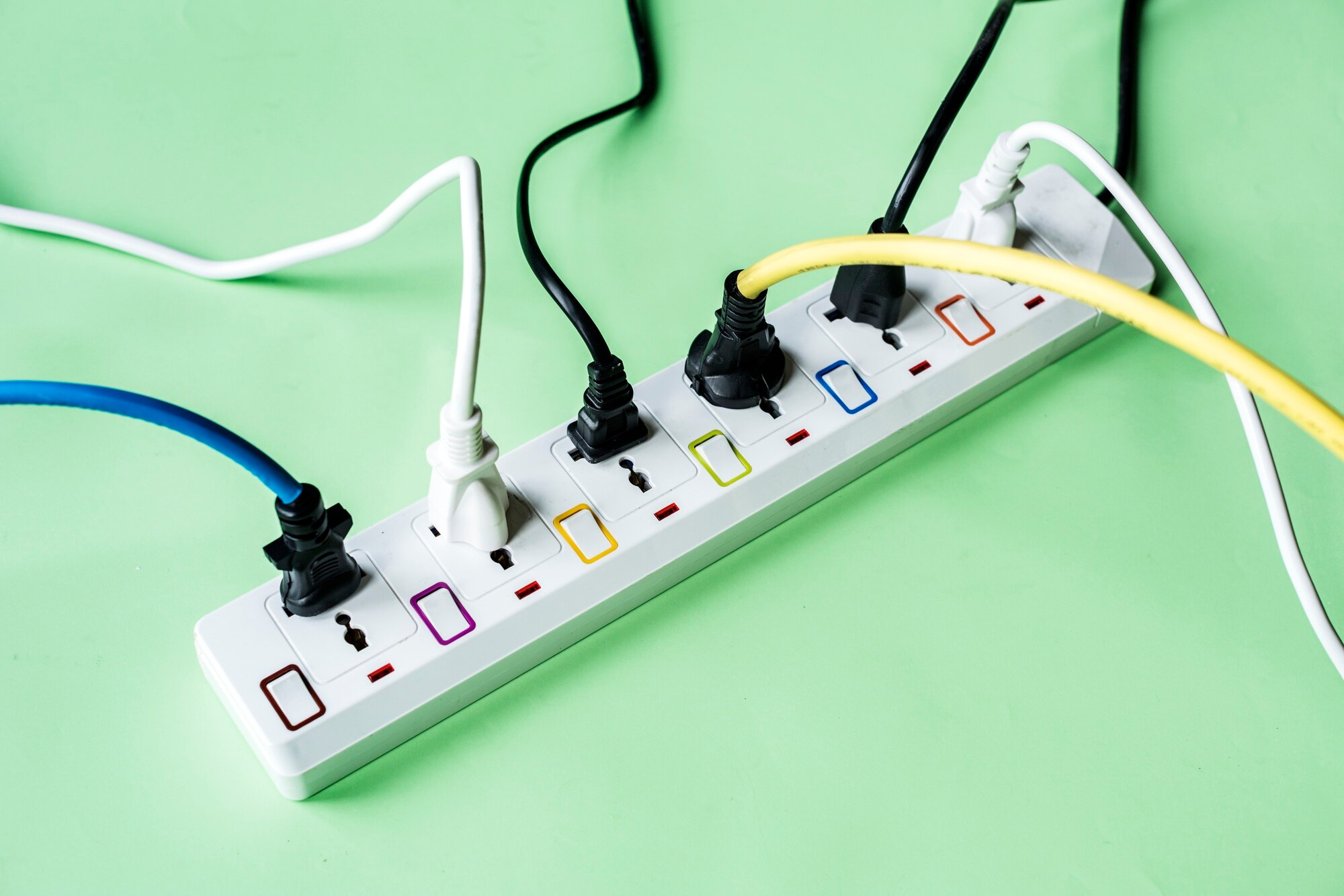
Start with the equipment’s electrical needs, then choose the right cord for the load and environment. Check:
- Amperage and wattage
- Cord watt rating or amp
- Length and gauge
- Indoor or outdoor rating
- Requirements for grounding
- Directions from the manufacturer
Match a cord’s rating to the product and never use a lower-rated cord. For construction use, you need three-wire, factory-assembled, hard- or extra-hard-service-rated extension cords. Listed extension cords may also be too small for space heaters and air conditioners.
Conclusion
Undersized extension cords can cause excessive heat, voltage drops, reduced equipment performance, insulation damage, and an increased risk of electrical fires. In high-power applications, choosing a cord with the appropriate wire gauge, current rating, and length is essential for safe and reliable operation.
Selecting the right extension cord involves more than choosing a thicker cable. Always check the equipment’s electrical requirements, follow the manufacturer’s instructions, and ensure the cord is suitable for the intended application. These precautions can help prevent overheating, protect equipment, and reduce electrical safety risks.