
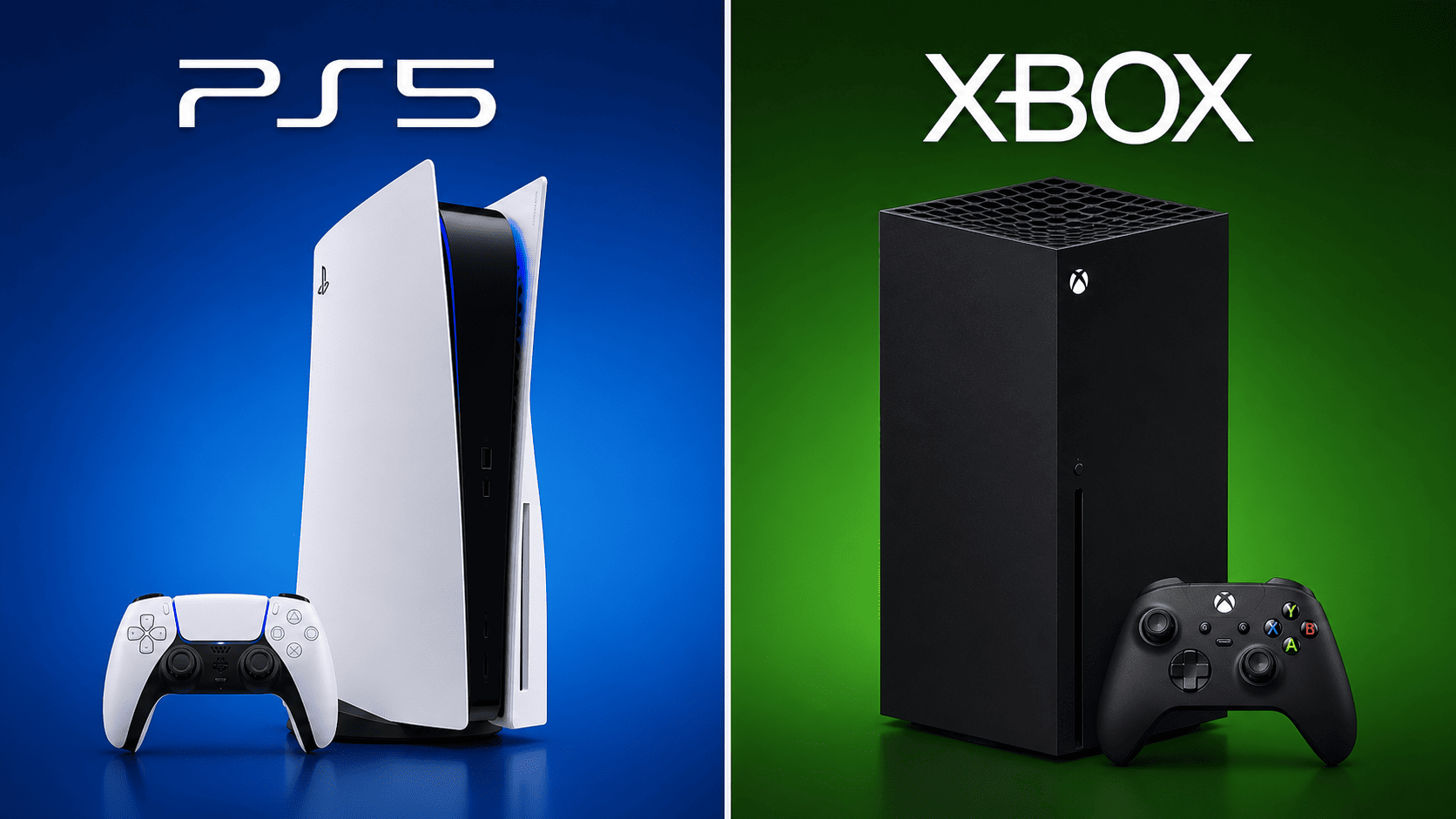
A Console War is a development in the video game industry that has engaged gamers for many years. On one side of the conflict, Sony, Microsoft and their loyal fanbases wage an unrelenting battle for ownership and supremacy of every new generation of console. In April 2026, that struggle is far from over – but at the time of writing, one of those two platforms is officially in the lead.
This detailed look at the sales of PS5 vs Xbox Series X and the wider console market takes a closer look at the lifetime sales of both systems and their current market share, as well as regional performance and the wider trends that are shaping this console generation. If you’re a die-hard PlayStation or Xbox fan, this will be some of the most agony and heartache you’ll ever read, but for everyone else this is a must read definitive look at the console landscape right now.
The Current Generation Console Battle
It’s been more than two years since Sony launched the PlayStation 5 and Microsoft brought the Xbox Series X and Series S to the market in late 2020. At the time, each company hailed the new systems as the largest advance in gaming technology in many years. Each featured faster SSD storage, improved graphics capabilities such as ray tracing, 4K visuals and a new controller design.
The generation had a difficult early start, with supply constraints and semiconductor-related challenges. This meant that the rollout was slower in 2021 and the start of 2022 all over the world.
Even with all the problems, console makers kept building the systems. And eventually, both the new PlayStations and Xboxes became easier to buy. Now, we know the sales race between Sony’s PS5 and Microsoft’s Xbox Series X is no longer a neck and neck competition.
In almost every region of the world during the months that have just passed, the PlayStation console has outsold Microsoft’s machine.
PS5 vs Xbox Series X Sales: Lifetime Numbers
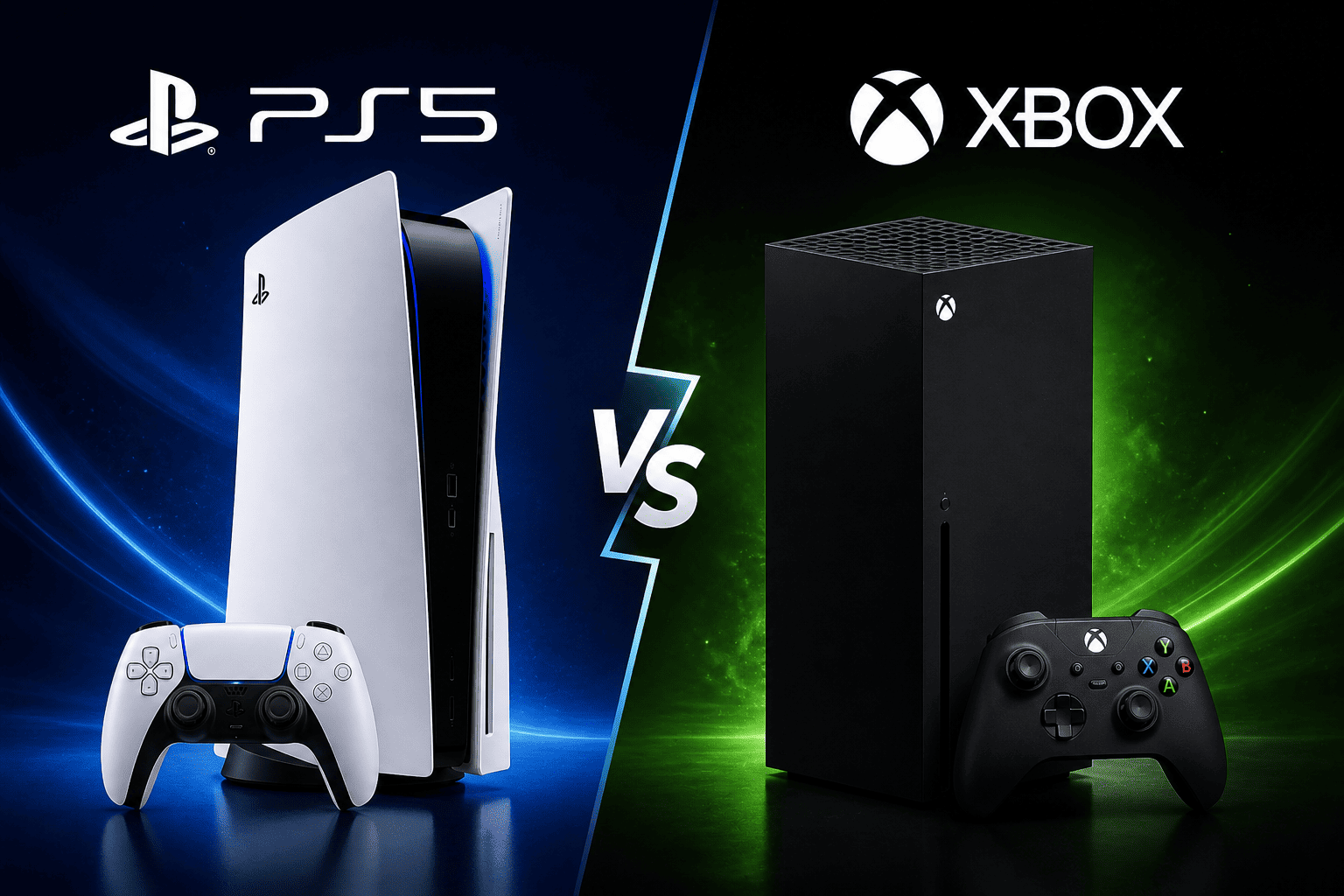
As we look at the latest industry estimates, the gap between Sony and Microsoft is clearly visible now.
As of early 2026:
- PlayStation 5: Around 89.44 million units sold worldwide
- Xbox Series X|S: Around 34.17 million units sold worldwide
This means that Sony’s console is now ahead by more than 55 million units worldwide.
In terms of market share:
- PS5: roughly 72.4% of the combined market
- Xbox Series X|S: roughly 27.6%
This gives us a rough ratio of 2.5:1 in favour of PlayStation sales, confirming the PS5 as the champion of the current console generation.
Amid the ongoing console rivalry, casual gamers are also exploring browser-based hits, with many searching for updated Idle Breakout codes for April 2026 to enhance their gameplay experience alongside next-gen titles.
Monthly and Yearly Sales Momentum
One of the really interesting things to look at with the ongoing ps5 vs xbox series x sales competition is just how steady the Sony ship has been.
In the last year alone, the PS5 reportedly outsold Xbox Series consoles by nearly 15 million units, dramatically widening the overall gap.
Monthly reports have also revealed that Sony is still leading the way when it comes to hardware sales worldwide. Here are some of the highlights:
Early 2026 year-to-date sales
- PS5: about 760,000 units
- Xbox Series X|S: about 118,000 units
These numbers show just how strong Sony’s momentum is, five years into the generation.
Historical Context: How the Gap Grew
As it unfolds, it helps to look at the numbers as they change.
2024
PS5 reached 67.7 million units as of late 2024, with the gap from the 31.2 million units of Xbox Series consoles continuing to widen.
2025
As of mid-2025, the new console from Sony had sold through more than 78 million units, while Microsoft’s Xbox was up to about 33 million units.
Late 2025
By November 2025 the PS5 will be up to 86m+ units and Xbox at around 34m units.
Early 2026
The PS5 is now at about 90M, still growing the gap.
The steady march of these numbers shows that Sony is still beating Microsoft in the ongoing console war.
Titles like PS5 vs Xbox Series Sales Comparison – April 2026 continue to highlight how blockbuster ecosystems and cross-platform hits like Minecraft PlayBattleSquare keep both consoles competitive by sustaining player engagement across audiences.
Regional Performance: Where Each Console Wins
When we look at global sales, it’s pretty clear that Sony’s got the upper hand, but when we drill down into specific regions, we might learn a bit more about who’s actually coming out on top in the ps5 vs xbox series x sales fight.
Europe
PlayStation in Europe, a key region for Sony Europe remains one of the biggest markets for PlayStation, and historically it has also been one of the most PlayStation-dominated. We believe that this trend has also continued with the PS5.
PlayStation exclusives in short supply and strong brand affinity helped to maintain Sony’s position as market leader across the continent.
Japan
The gaming world has become aware of a recent survey in Japan which reveals the nation is still very much a PlayStation-dominated region. As we’ve seen in the past, Xbox consoles have rarely managed to make a significant impact on the Japanese market and it appears things haven’t changed with the Series X|S.
The PS5 is selling much better in Japan than the Xbox Series X/S. The main reason is the stronger support that Japanese game developers have provided to Sony’s console.
United States
The U.S. is the best market for Xbox right now, but Sony is still in the lead.
In an earlier report Sony’s PlayStation 5 was said to have outsold Xbox Series consoles in the U.S. by a margin of 25.81 million units to 17.05 million.
This means Sony holds an advantage even in Microsoft’s home market.
Much like how casual, engaging platforms such as Kahoot! have redefined interactive entertainment, both Sony and Microsoft continue to shape gaming experiences in ways that keep players consistently invested.
Why the PS5 Is Winning the Sales Race
Here are a few reasons why the ps5 vs xbox series x sales figures currently heavily favor Sony.
1. Strong Brand Loyalty
According to Sony, it was PlayStation branding that reaped the greatest rewards of the PlayStation 4’s immense sales success, which reached 117.9 million units sold worldwide.
So, I think a decent number of people probably just transferred from PS4 to PS5.
2. Exclusive Games
Sony has continued to focus on exclusive titles as the key to further advancing sales of PlayStation 4 consoles.
Popular franchises include:
- God of War
- Spider-Man
- Horizon
- The Last of Us
These titles attract players who want experiences unavailable on other platforms.
3. Global Market Strength
PlayStation leads in the majority of the world’s key regions, including in Europe, Japan and the majority of Asia.
Xbox does very well in North America but it still has a long way to go to catch up to where Sony is on a global scale.
4. Hardware Momentum
When the supply constraints were relieved, Sony turned up the tap and has been cranking out PS5s at a furious clip, which has seen the console’s user base grow at a phenomenal rate and that combined with a steady string of monthly victories in the sales race.
Why Xbox Series X|S Sales Are Slower
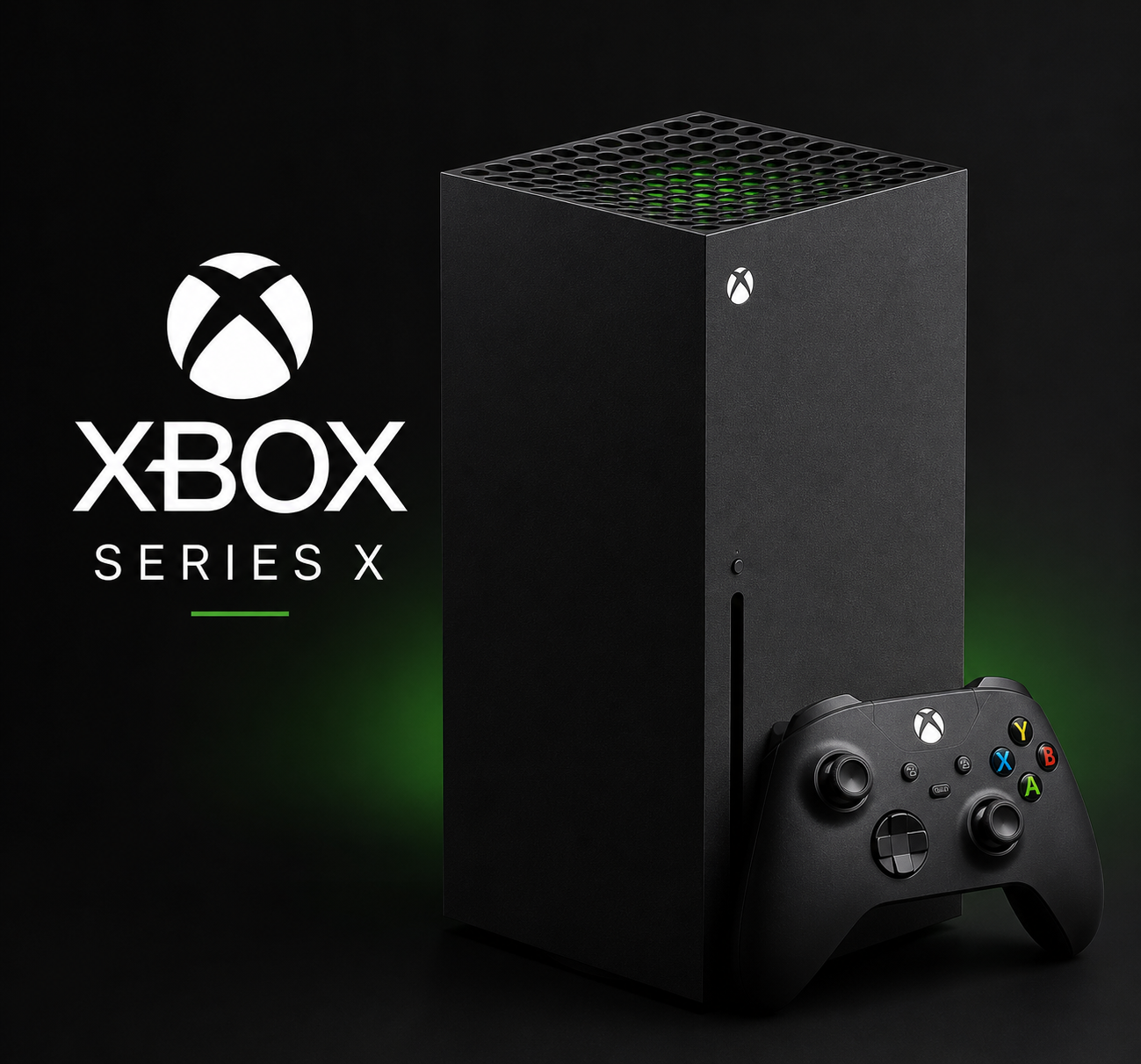
It’s hard to deny the fact that Xbox is still a major player in the gaming world. Here are some key points that may be contributing to why hardware sales aren’t moving as quickly as they once did.
1. Game Pass Strategy
Microsoft’s focus has shifted toward services rather than hardware.
One of the reasons some fans might think that people don’t want an Xbox right now is because of Xbox Game Pass. In simple terms Xbox Game Pass lets you play hundreds of games across PC, console and cloud. So really who needs a Xbox.
2. Fewer Exclusive Titles
Xbox has fewer exclusive games compared to PlayStation.
When Microsoft purchased Bethesda and Activision Blizzard, many thought their games would become console exclusives. Thankfully, Microsoft seems to be taking a more open approach to gaming, ensuring that fans can enjoy their favourite titles on any platform they choose.
3. Console Identity
One of the reasons behind the looks of the next Xbox consoles has been revealed with one expert believing the naming of the Series X and Series S will be confusing for gamers. According to the expert, Microsoft’s decision to release two versions at the same time has caused confusion in the Xbox branding. He explained that in the future consumers will struggle to know whether they are buying a version that is up to scratch or a cut down edition.
4. Ecosystem Expansion
Microsoft is shifting its stance towards Xbox in order to promote it as more than just a gaming console. By expanding into the realm of PC gaming and looking into ways to utilize the cloud in order to stream gameplay, as well as exploring mobile integrations, Microsoft is transforming the concept of gaming to reach a larger audience.
In the short term it’s likely to be expensive for Microsoft but in the longer term it may pay off. But what it says to me is that sales of individual consoles are no longer the company’s main priority.
PS5 vs Xbox Series X Sales Compared to Previous Generations
Another interesting perspective is comparing current consoles with the previous generation.
Combined sales for PS5 and Xbox Series X|S currently stands at about 123.6 million units after roughly five years on the market.
In comparison, the previous generation (PS4 and Xbox One) had already sold about 139 million units at the same point in their lifecycle.
This suggests that the overall console market is growing more slowly than it did during the PS4 era.
Possible reasons include:
- Rising hardware prices
- Increased popularity of PC gaming
- Growth of cloud gaming
- Mobile gaming competition
Despite this slowdown, Sony’s PS5 still remains one of the fastest-selling consoles in history.
Future Outlook: Can Xbox Catch Up?
Given the current numbers, it seems extremely unlikely that Xbox will overtake PlayStation in this generation’s hardware sales.
However, Microsoft is investing heavily in other areas of gaming:
- Cloud gaming services
- Game Pass expansion
- Cross-platform releases
- PC integration
Meanwhile, Sony is expected to continue strengthening the PlayStation ecosystem with new hardware revisions and major exclusive titles.
Upcoming blockbuster releases could further boost PS5 sales in the coming years.
Final Thoughts
The ongoing ps5 vs xbox series x sales battle between Sony and Microsoft has seen the PlayStation fifth generation console emerge victorious, in terms of hardware adoption. According to recent reports, the PS5 has sold some 88.64 million units across the world, leaving the Xbox Series X|S with around 34.36 million.
Several factors had a bearing on this, including the strength of global brand loyalty to both the Xbox and PlayStation names, as well as the exclusive games on offer, and the fact that PlayStation hardware was both in wide release, and available in sufficient quantities to meet consumer demand.
However, Microsoft has changed its focus and instead of focusing on building an incredibly successful console business, they’re instead looking to grow their ecosystem. Looking at Game Pass, Xbox Cloud Gaming and the potential for cross platform play it’s clear where their head is at with the future of Xbox.
At the end of the day, the current console war is no longer a war of who’s the best-selling console. Rather, it’s who is building the best gaming ecosystem.
For now, though, when it comes to actual hardware sales — as in, people buying the actual units, rather than just being forced to upgrade in order to keep playing games — the PlayStation 5 currently has the honour of being the best-selling next-gen console on the market.