
When Sony launched the PSP back in 2004 nobody was quite sure how RPGs would translate to a handheld. Turns out they translated beautifully. The system’s beefy hardware for its era meant developers could pack in full 3D battle systems, orchestral soundtracks, and anime cutscenes without much compromise. What really set the PSP apart though was its role as a landing pad for remasters and reimaginings. Games that Western fans had missed on PS1 or that Japan never let leave its borders suddenly had a second life on UMD. Add in a healthy stack of original tactics games, action RPGs, and dungeon crawlers and you get one of the most quietly stacked RPG libraries of any platform. Some of these never got official English releases, but fan translations have kept them accessible. These are the top 30 best PSP RPGs of all time. Let’s get into it.
#30. – Grand Knights History
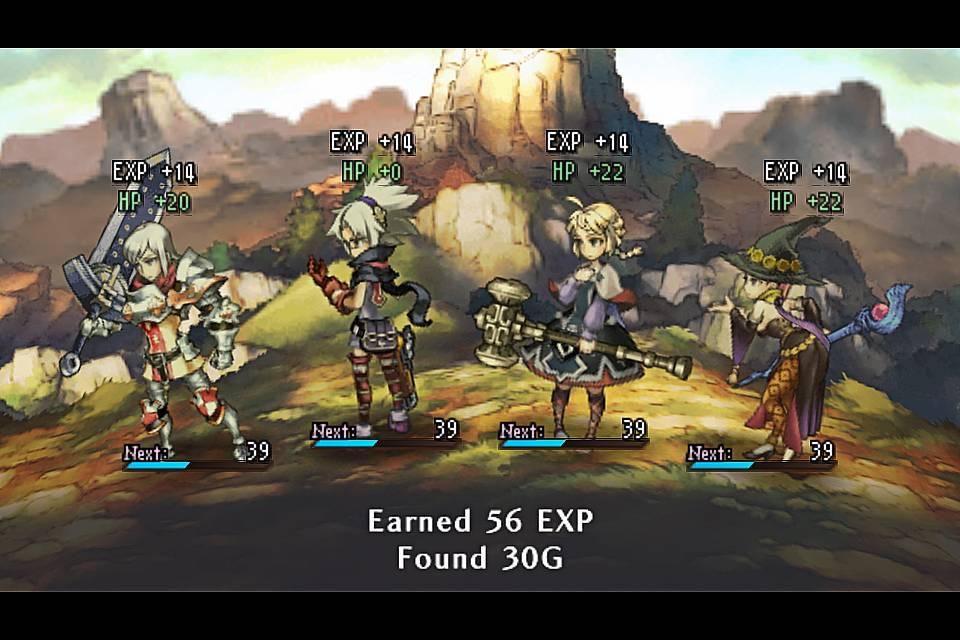
This one is a heartbreaker. Grand Knights History was a collaboration between Vanillaware and Level-5, which on paper sounds like a dream team. The game never left Japan, and worse, Vanillaware effectively abandoned the servers for its online multiplayer components not long after launch. What remains is a job-based tactics RPG with gorgeous 2D sprite work that you’d expect from Vanillaware’s art team. Combat plays out on a side-scrolling battlefield rather than a grid, which feels closer to a brawler than a typical SRPG. The problem is the single player content is thin, clearly designed as a wrapper around the multiplayer that no longer functions properly. It’s a shame because the presentation is stunning and the combat concept is genuinely clever. Character classes range from armored knights to nimble rogues, and each has its own attack rhythm that rewards learning enemy patterns rather than just mashing buttons. The soundtrack is similarly impressive, leaning into a grand orchestral style that feels bigger than the budget probably allowed for. If you can find a translation patch it’s worth a look purely for the art and combat feel, but don’t go in expecting a complete experience. This is one of those games you play more out of curiosity for what could have been than for what it actually delivers.
#29. – Dungeon Siege: Throne of Agony
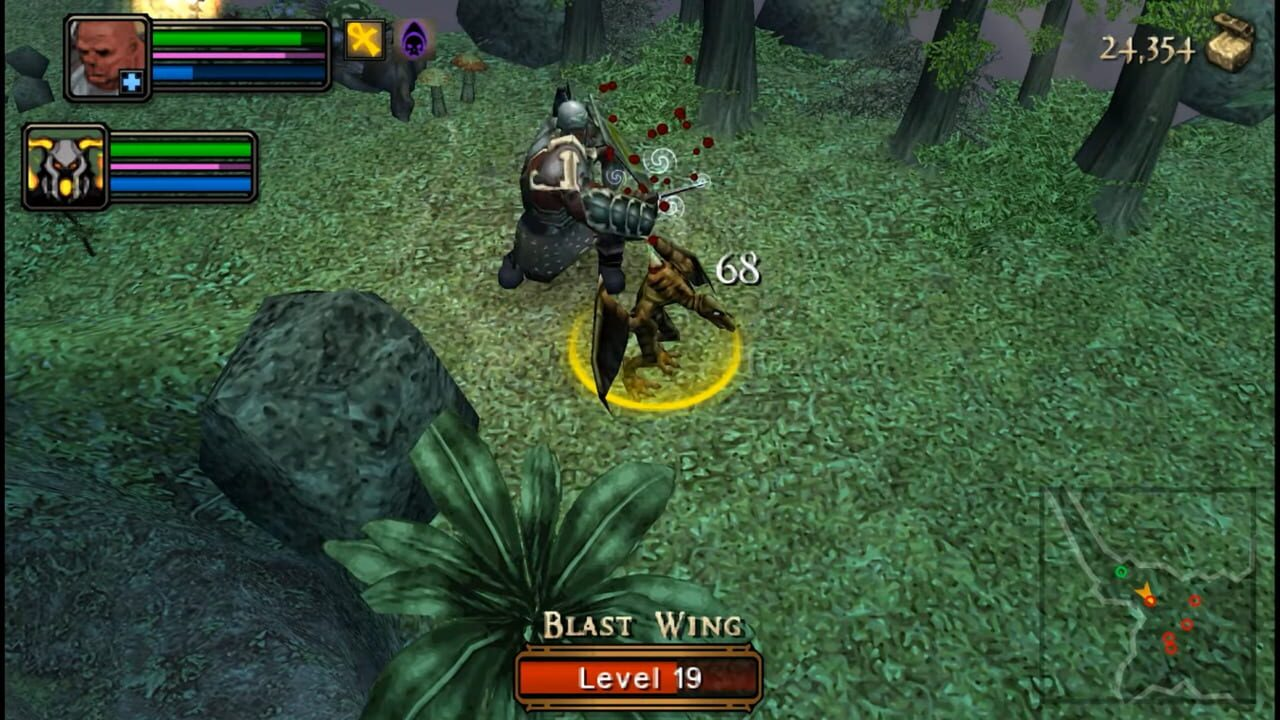
Porting a PC dungeon crawler franchise to a handheld sounds risky, but Throne of Agony mostly pulls it off. This is an action RPG through and through, with real-time hack and slash combat and a heavy emphasis on loot. You’ll spend a lot of time comparing stat sheets between swords that all look nearly identical. The story is forgettable and honestly feels like an afterthought bolted onto the gameplay loop. Where the game shines is in just how satisfying the core grind feels. Leveling up, finding a slightly better axe, and steamrolling through dungeons has an addictive quality even when nothing else about the game is particularly memorable. It controls well for an action RPG on a handheld too, which wasn’t a guarantee back then. Throne of Agony isn’t going to blow anyone away but it’s a competent loot-driven diversion for long commutes.
#28. – Untold Legends: Brotherhood of the Blade
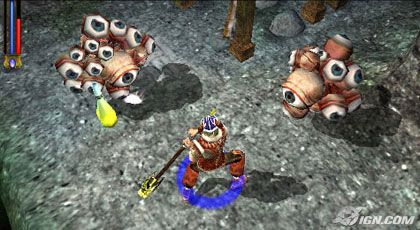
Sony Online Entertainment’s answer to Diablo-style action RPGs on a handheld had a rough go of it. Brotherhood of the Blade suffers from a camera that fights you constantly and a story so bare bones it barely registers as a plot. That said, the hack and slash combat underneath all that has a decent rhythm to it once you push past the early hours. There are four character classes to pick from, each with distinct enough playstyles to encourage a second run. The loot system is functional if unspectacular, and dungeons are randomly generated which adds a bit of replay value. It was one of the PSP’s launch titles, and it shows its age in ways later action RPGs on the system wouldn’t. The environments are fairly generic too, cycling through the usual fantasy staples of caves, crypts, and ruined temples without much visual variety to break things up. Still, for anyone who just wants to click on monsters until they die and watch the numbers go up, it gets the job done, and it’s worth remembering that it helped prove handhelds could handle the genre at all.
#27. – Wild Arms XF
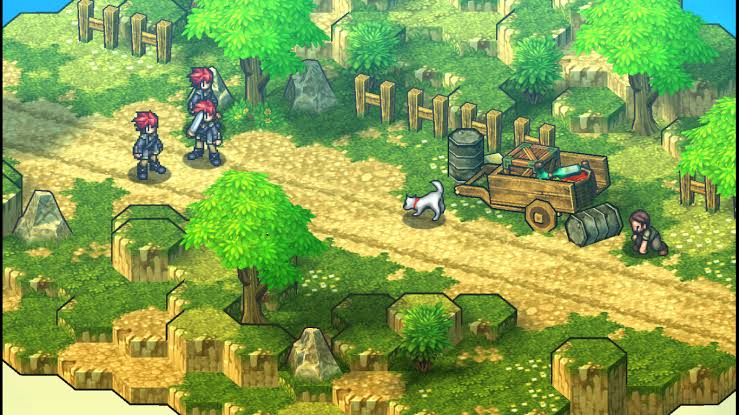
Wild Arms had always been a traditional turn-based series, so XF’s pivot to a tactics format on PSP surprised longtime fans. It’s a strategy RPG with a grid-based battlefield and the western-fantasy setting the series is known for. Character portraits and dialogue lean heavily into visual novel territory between battles, which either works for you or it doesn’t. Combat itself is solid, with a decent variety of classes and the series’ trademark ARM weapon mechanics translated well into the tactical format. The story is a slow burn that takes a while to get interesting, following a young man drawn into a war between two nations. It’s not the Wild Arms game longtime fans necessarily wanted, but taken on its own terms it’s a perfectly enjoyable tactics RPG that doesn’t overstay its welcome. The hexagonal battlefield adds a small but meaningful wrinkle to positioning compared to the square grids most tactics games rely on, and the ARM customization system gives you enough tinkering options to keep battles from feeling repetitive across the campaign.
#26. – Hexyz Force
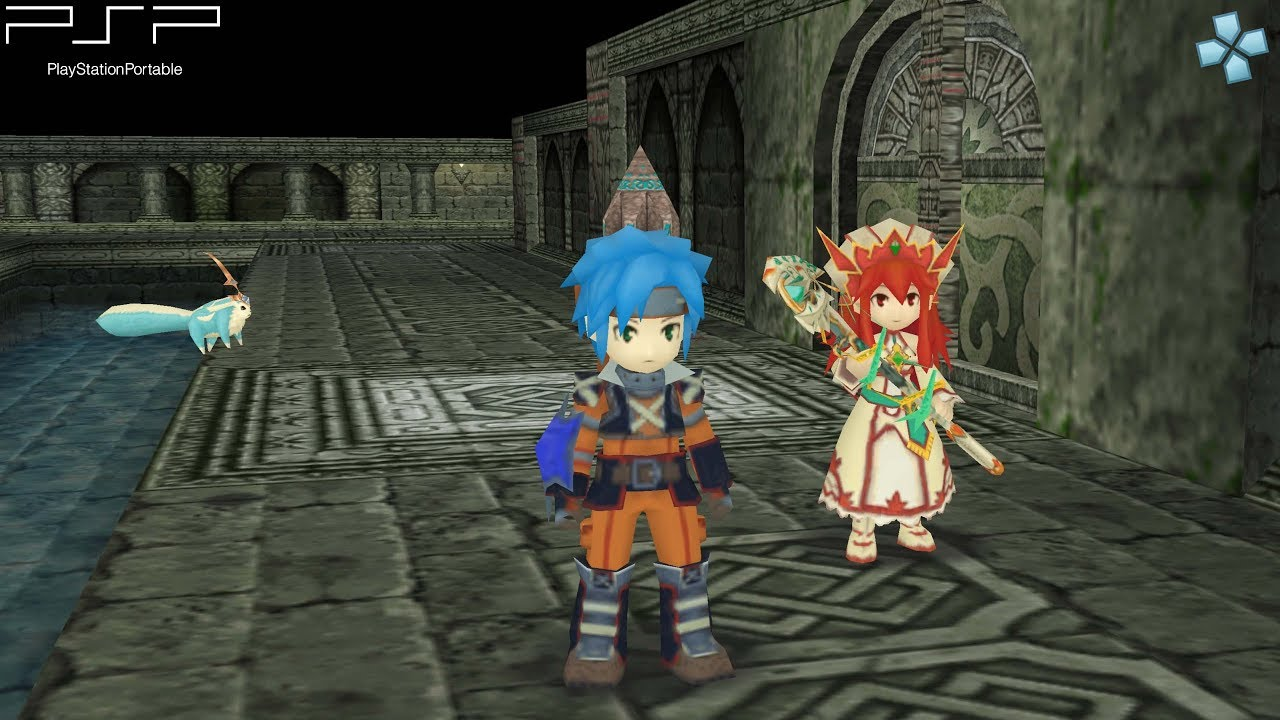
Idea Factory games have a reputation for budget production values wrapped around genuinely interesting mechanics, and Hexyz Force fits that mold. What makes it stand out is its dual-protagonist structure. You pick between two characters at the start, Cecilia or Levi, and each offers a mostly separate story that eventually converges. It’s a clever way to add replay value without doubling the development budget. Combat is turn-based with a decent amount of strategic depth thanks to a weapon-fusion system involving spirits called Ashley. The visuals are rougher than most PSP RPGs of its era, with reused environments and stiff character animations. Where it earns points is in the writing, which is more thoughtful than you’d expect from the presentation. If you can look past the budget trappings there’s a genuinely engaging story here.
#25. – Summon Night 5
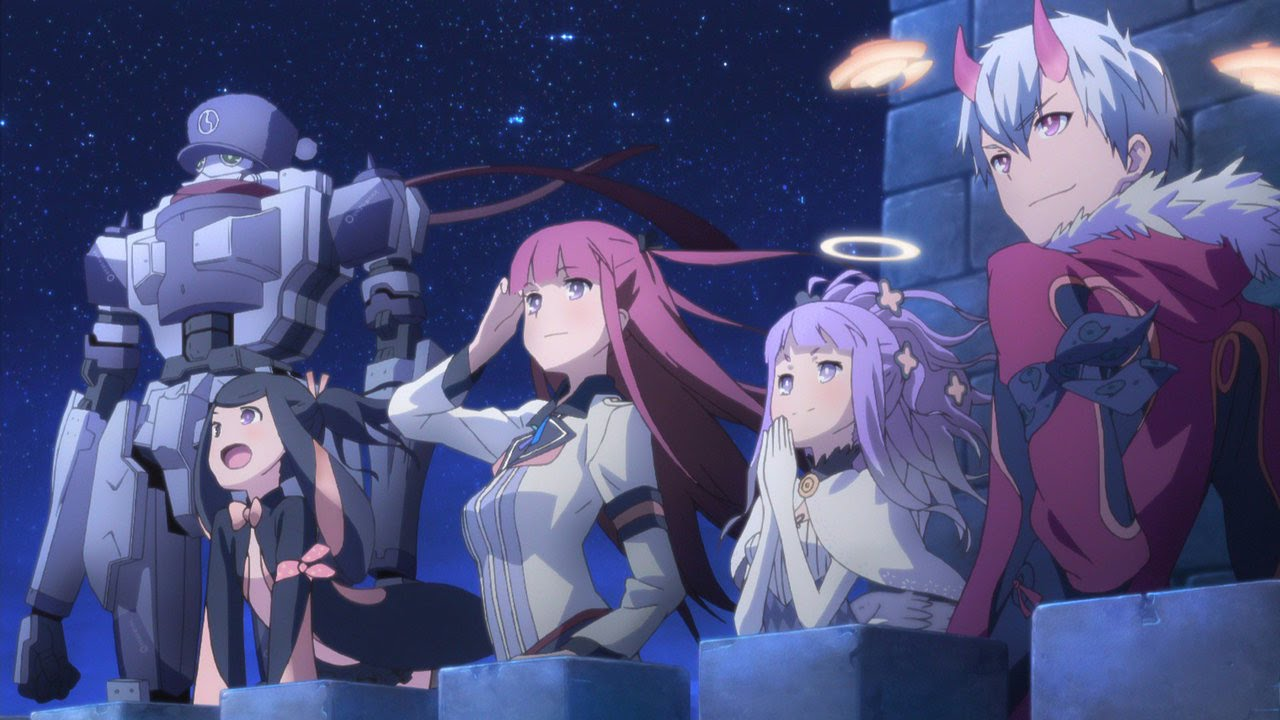
The Summon Night series never got much traction outside Japan, and Summon Night 5 arrived a bit too late in the PSP’s life to change that. It’s a shame because this entry does a lot right. You create your own protagonist and bond with a summoned creature companion, with your choices shaping both the story and your combat capabilities. Battles play out on a grid with real-time elements mixed into the turn structure, giving fights a snappier pace than most tactics games. The character writing is charming, leaning into slice-of-life humor between the more serious plot beats. Atlus published it stateside, which is honestly the main reason it’s remembered at all outside of Japan. It’s a niche pick, but fans of tactical RPGs with strong character writing owe it a look.
#24. – Class of Heroes
Old-school dungeon crawler fans found a home with Class of Heroes. This one wears its influences on its sleeve, borrowing heavily from Wizardry-style first-person dungeon exploration where you build a party from scratch and grind through mazes filled with traps and monsters. It’s brutally difficult in that classic way where a single unlucky encounter can wipe your whole party. The school setting, where your characters are literally students at a magic academy, gives it a lighter tone than the punishing gameplay might suggest. Character creation is deep, with a huge number of race and class combinations to experiment with. It’s not for everyone. The pacing is slow, the difficulty spikes are unforgiving, and mapping out mazes manually feels like a relic even by the standards of the era. There’s also a real risk of permanent character loss if things go badly wrong, which raises the stakes considerably. But for players who grew up on Wizardry or Etrian Odyssey, Class of Heroes scratches a very specific itch that few other PSP games attempt, and the sheer depth of its character building rewards the patient.
#23. – Brave Story: New Traveler
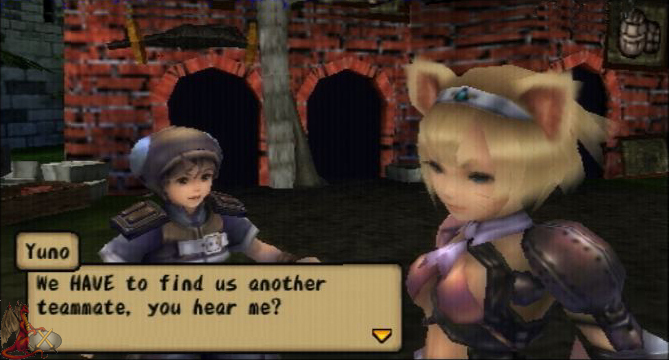
Based on the novel and anime film of the same name, Brave Story: New Traveler is a surprisingly solid traditional RPG that got a bit lost in the shuffle. You play as Wataru, a boy who escapes into a fantasy world called Vision after tragedy strikes his family. The turn-based combat is straightforward but well balanced, with a job-change system that lets you reshape your party’s roles as you go. What really carries the game is its emotional core. The story deals with genuinely heavy themes for what looks like a kid-friendly adventure, and it handles them with more nuance than you’d expect from a movie tie-in. Production values are solid across the board, with attractive character models and a fittingly whimsical soundtrack that shifts convincingly between wonder and dread as the plot demands. It’s a short adventure by RPG standards, clocking in well under most others on this list, but that brevity works in its favor. There’s no padding here, no filler dungeons or grinding for grinding’s sake, just a tightly told story that knows exactly when to end.
#22. – Yggdra Union
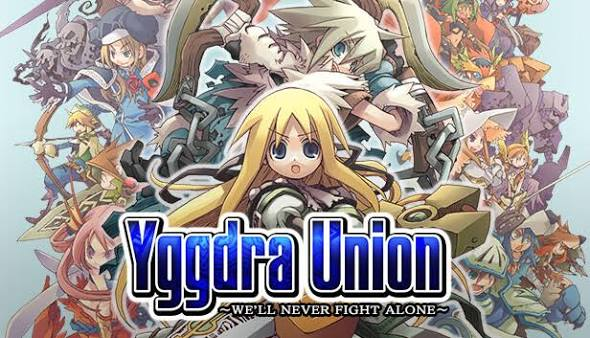
Sting’s Dept. Heaven series has always catered to a specific kind of strategy fan, and Yggdra Union is a great entry point. Rather than the typical grid-based tactics format, battles here play out with units clashing in a card-driven system where you select tactic cards to influence the outcome. It’s a unique approach that rewards careful deck building alongside troop positioning. The story follows a young princess trying to reclaim her kingdom, and it’s serviceable without being particularly memorable. Where the game earns its reputation is in the sheer depth of its battle system once you dig into the mechanics. It can feel overwhelming early on, with more systems thrown at you than a newcomer might expect, and the game doesn’t do a great job of easing you into its more advanced tactics. Stick with it though and Yggdra Union becomes one of the more satisfying tactical experiences the handheld has to offer, especially once you start chaining union attacks together to overwhelm the enemy’s numbers advantage.
#21. – Riviera: The Promised Land
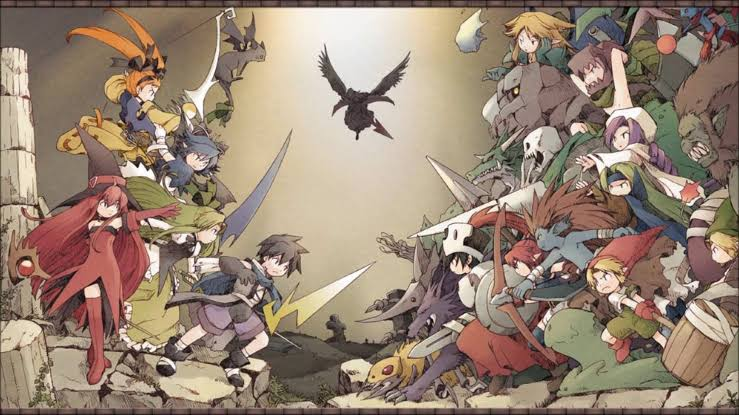
Riviera began life on the Wonderswan Color before Sting brought it to PSP with a visual overhaul, and the upgrade suits it well. This is technically a visual novel wrapped around turn-based combat, with heavy emphasis on branching narrative choices that determine which of several endings you’ll see. The item management system is unusual, limiting how many items you can carry and forcing meaningful decisions about what to bring into battle. Combat itself is simple compared to most RPGs on this list, more about timing button presses than deep tactical planning. What sells Riviera is its tone. It’s melancholic in a way few handheld RPGs bother to be, dealing with themes of mortality and sacrifice throughout, and the framing device of the story being narrated after the fact adds a real sense of foreboding to even the lighter moments. The presentation, with hand-drawn art over painted backdrops, still holds up nicely today, and the character designs have an illustrated storybook quality that sets it apart visually from almost everything else on this list.
#20. – Fate/Extra
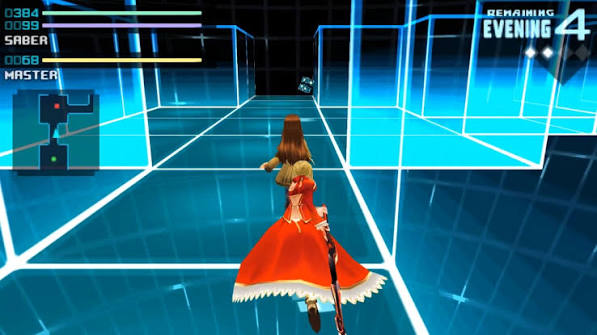
Adapting the Fate visual novel franchise into a dungeon-crawling RPG was a strange choice, but Fate/Extra carved out its own dedicated fanbase. You explore a labyrinth called SE.RA.PH alongside a Servant you choose at the start, each offering wildly different playstyles and story routes. Combat uses a rock-paper-scissors command system during duels that’s simple on the surface but has real strategic depth once you factor in skills and item usage. The story leans heavily into visual novel territory, with long stretches of dialogue between dungeon crawling segments. Fans of the wider Fate franchise will get the most out of the references and character cameos, but the core narrative stands reasonably well on its own too. It’s a slower, more methodical RPG than most on this list, but the writing quality carries it through the rough patches. The dungeon layouts themselves are fairly sparse and repetitive, which makes it clear the developers wanted you focused on story progression rather than exploration for its own sake, and that trade-off mostly pays off given how strong the character writing turns out to be.
#19. – Star Ocean: First Departure
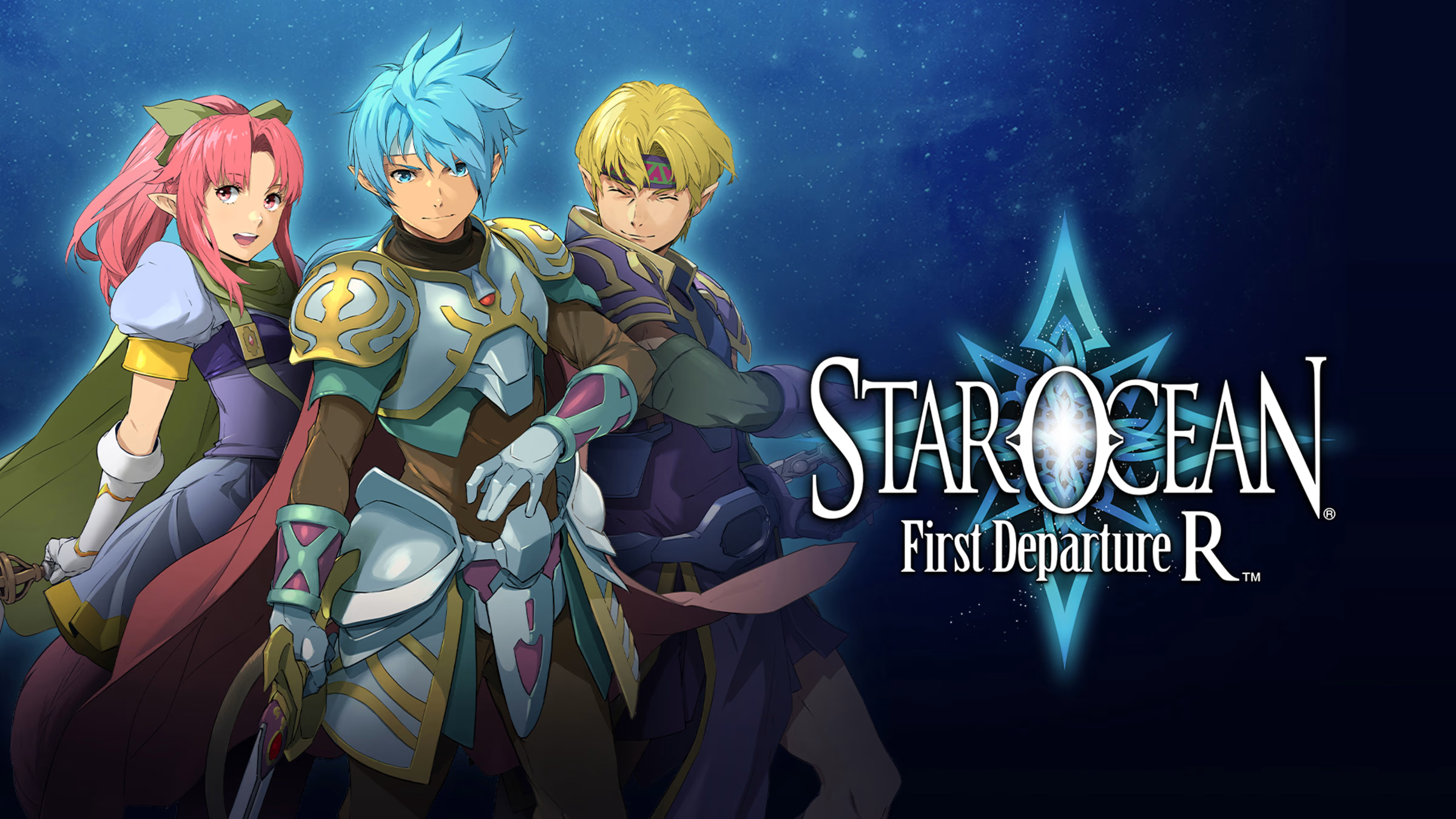
Tri-Ace’s PS1 debut got a full remake treatment on PSP, and First Departure is a genuinely faithful update. The action-based battle system that would define the series is present in an early form here, with real-time combat that lets you freely control a character while AI handles your allies. The Private Actions system, where character relationships shift based on how you explore towns, adds some welcome personality to what’s otherwise a fairly standard fantasy plot. Graphically it’s a big step up from the original, with redrawn sprites and updated 3D battle environments. The story of Roddick and his companions defending their world from an interstellar threat isn’t going to win any awards for originality, and the pacing shows its age in the middle stretch, but the gameplay loop is engaging enough to carry you through regardless. There’s a satisfying crafting and item creation system too, letting you build gear well beyond what shops sell if you’re willing to hunt down the right materials. It’s a solid entry point for anyone curious about where the Star Ocean series began, even if the sequel on this list ultimately does everything a bit better.
#18. – Phantasy Star Portable 2
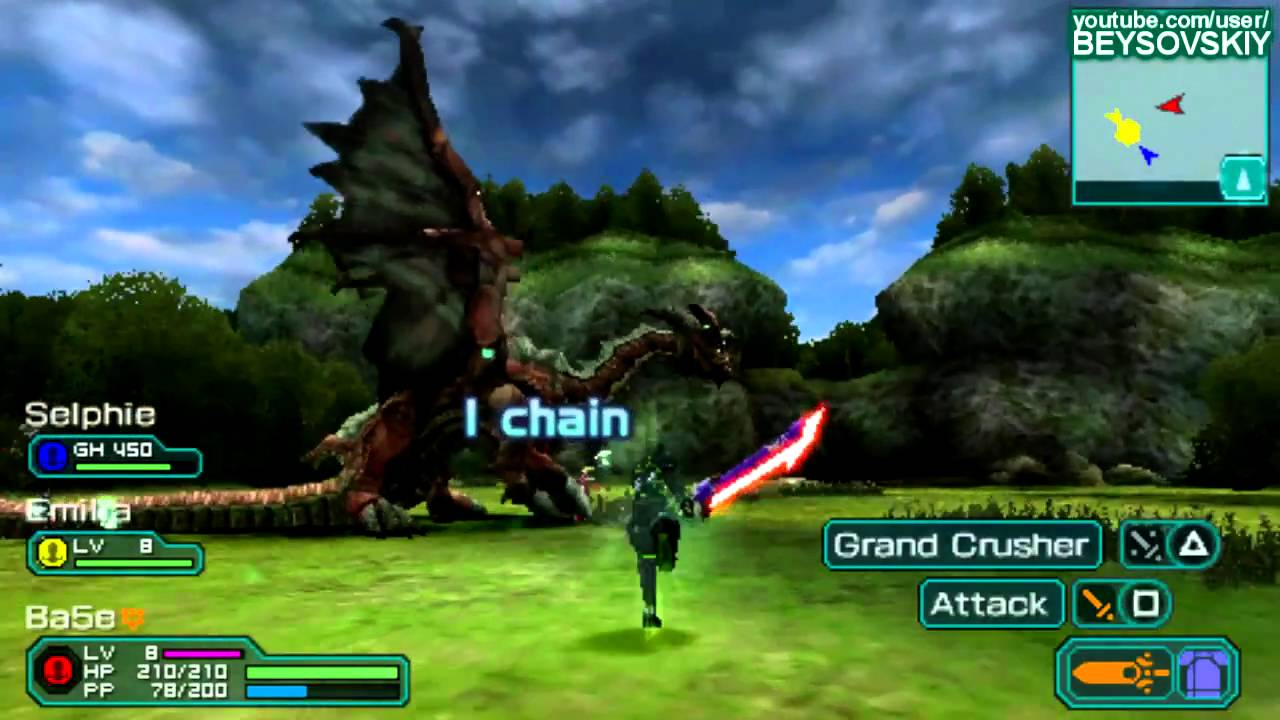
Sega brought its long-running online action RPG series to a fully single-player-friendly format with Phantasy Star Portable 2, and it’s a big improvement over the original Portable release. The hack and slash combat feels tighter, with a wider variety of weapon types and combo options to experiment with. Character customization is deep, letting you build out your avatar’s appearance and class in ways the mainline console entries didn’t always allow. Missions follow a familiar structure of heading into an area, clearing enemies, and grabbing loot, which can feel repetitive over long play sessions. Where it stands out is in just how much content is packed in, with dozens of missions and a surprisingly robust story mode for a series better known for its multiplayer focus. The photon art system gives each weapon type its own special moves to unlock and master, which adds a layer of build customization beyond just picking bigger numbers. If you enjoyed the Monster Hunter loop but wanted something a bit more sci-fi and a bit friendlier to solo players, this delivers.
#17. – Valkyria Chronicles III
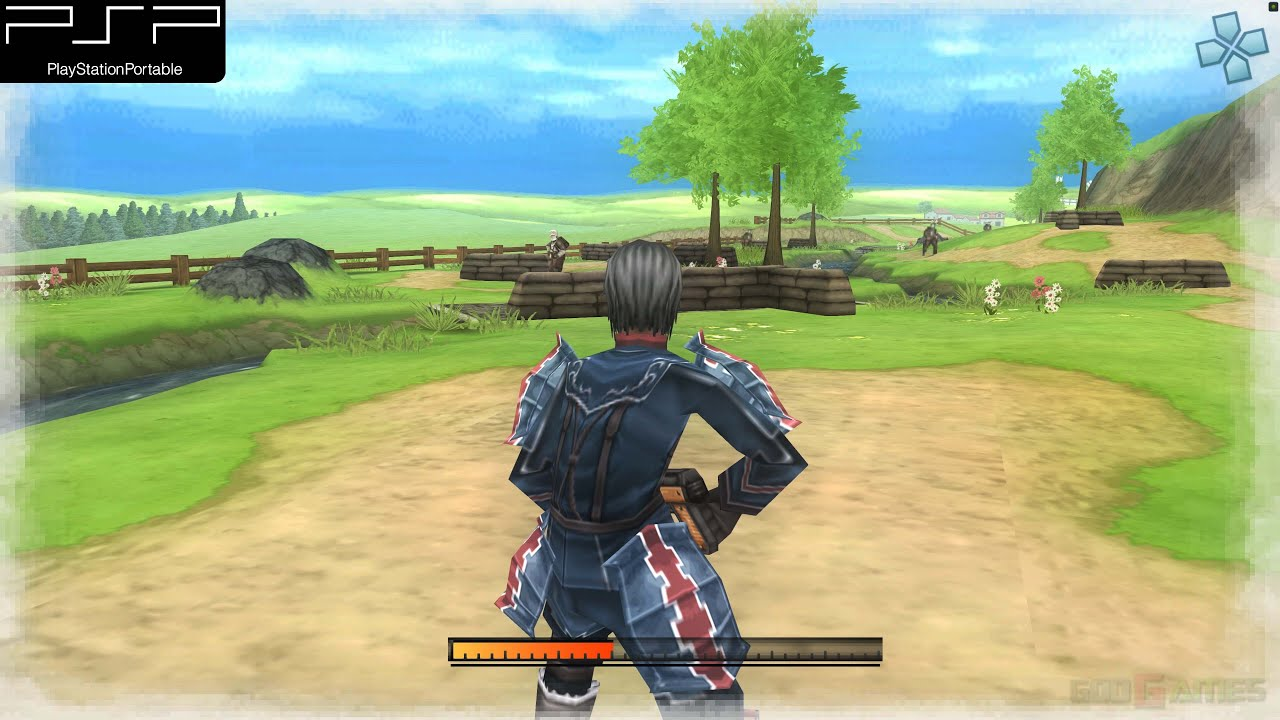
Never officially localized, Valkyria Chronicles III is one of the PSP’s great lost gems for English-speaking fans, though a fan translation has thankfully made it accessible. It keeps the series’ signature BLiTZ system intact, blending turn-based strategy with real-time third-person movement during your turn. The story follows Squad 422, a disgraced military unit given dangerous missions, and it’s darker in tone than the first two games. Visually it holds up remarkably well for a PSP title, using the same watercolor-inspired CANVAS engine that made the original so distinctive. The war drama here feels more grounded and personal than the first game’s broader conflict. It’s genuinely frustrating that Sega never brought this west officially, because on gameplay and narrative alone it stands as one of the strongest tactical RPGs the platform ever received.
#16. – Half-Minute Hero
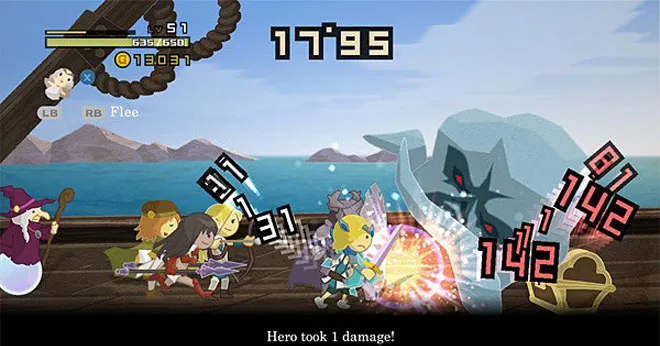
Half-Minute Hero takes the excess of typical RPGs and turns it into the joke itself. You have thirty seconds to save the world, and every mechanic bends around that absurd time limit. Time can be extended by paying a goddess for more seconds, which becomes its own resource management puzzle layered on top of frantic grinding and boss battles. It parodies just about every RPG trope imaginable while somehow still delivering satisfying turn-based combat within its bite-sized structure. There are multiple game modes beyond the core Hero mode too, including a shoot-em-up mode and a strategy mode, giving the package more variety than its gimmick alone might suggest. It’s one of the most purely fun, inventive takes on the genre that PSP ever received, and the fact that it manages real emotional beats despite the constant time pressure is honestly impressive. The pixel art style is a deliberate throwback too, evoking 16-bit era RPGs while poking fun at their most tedious conventions, from endless random encounters to needlessly long dialogue boxes. If you want proof that RPGs don’t have to take themselves seriously, this is it.
#15. – Dissidia 012 Final Fantasy
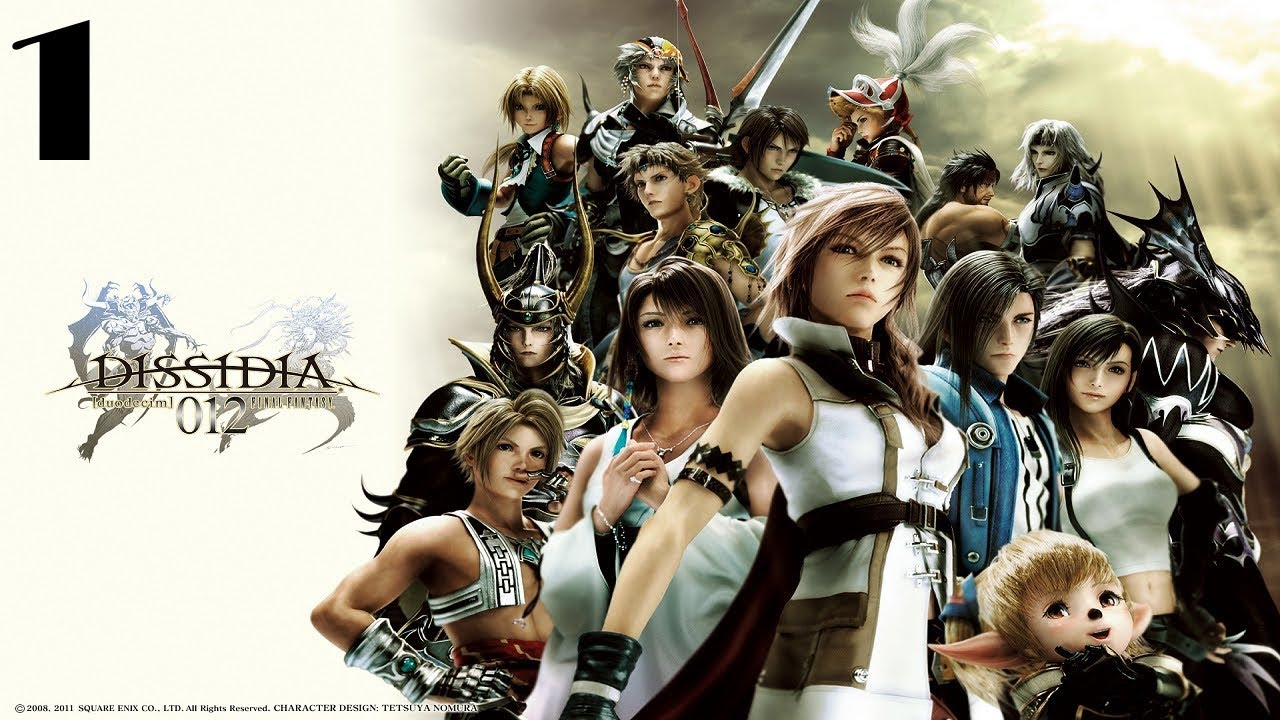
Half fighting game, half RPG, Dissidia 012 refines everything the original Dissidia attempted. Characters from across the Final Fantasy mainline series duke it out in arena battles governed by a bravery-and-HP system that rewards aggressive, mobile combat. Between fights there’s a genuine RPG structure with leveling, equipment, and a surprisingly involved story mode connecting characters across different eras of the franchise. The roster expansion over the first game is substantial, adding fan favorites and giving returning characters new movesets. It’s not a traditional RPG by any means, but the systems underneath the flashy combat are deep enough to reward real investment. Final Fantasy fans get the most mileage out of the character interactions and lore nods sprinkled throughout. As a genre-bending experiment it mostly succeeds, delivering something that feels distinct from anything else on this list.
#14. – Star Ocean: Second Evolution
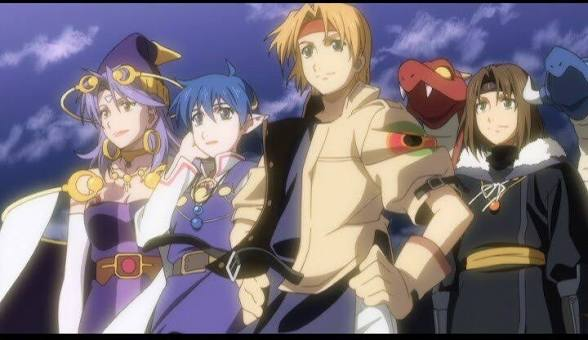
The remake of Star Ocean: The Second Story is widely considered the high point of the series, and Second Evolution brings that pedigree to PSP with new content layered on top. The action battle system here is more refined than in First Departure, with a satisfying combo system and a huge cast of playable characters to recruit. The Private Actions and multiple ending system return in expanded form, giving the game serious replay value for players who want to see every story branch. Character creation feels genuinely reactive, with your choices shaping who joins your party and how relationships develop. The crafting system is famously deep too, letting dedicated players create powerful custom equipment. It’s a lengthy game that demands real investment, but for fans of action RPGs with a strong sense of player agency, it’s one of the best the platform has to offer.
#13. – Gods Eater Burst
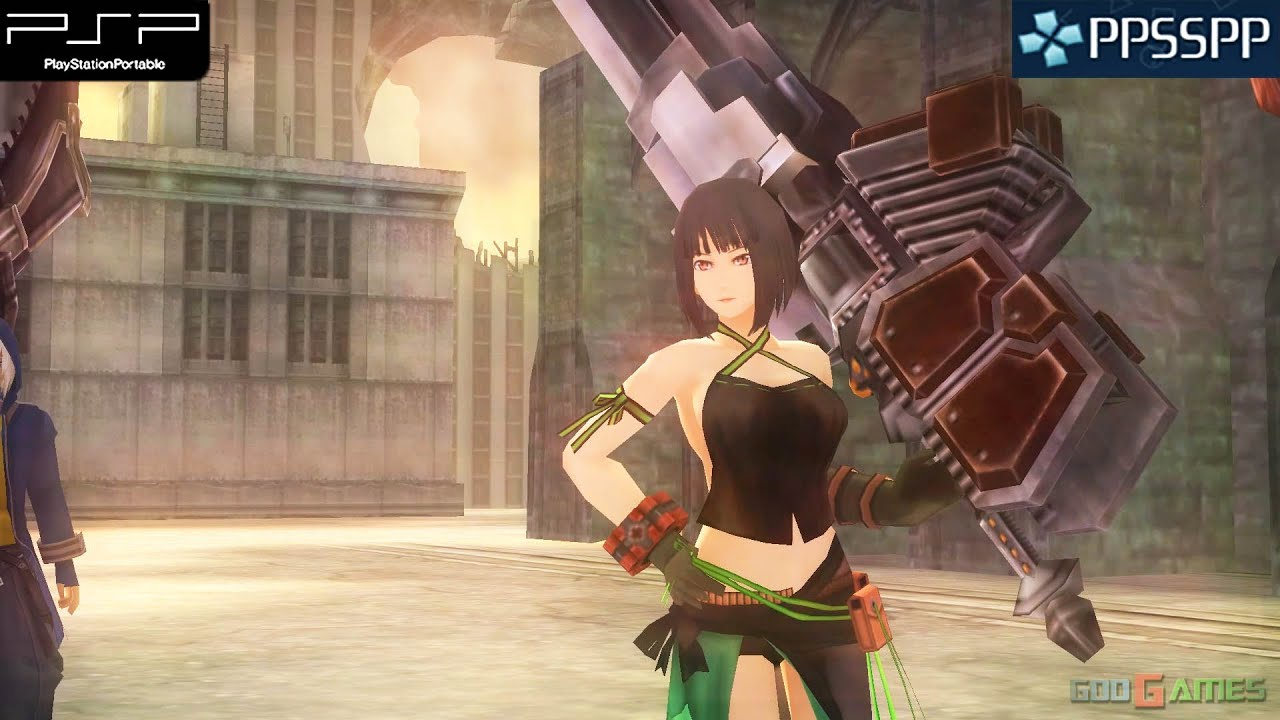
Bandai Namco’s answer to Monster Hunter carved out its own identity fast, and Gods Eater Burst is where the series really hit its stride on PSP. Combat revolves around massive shapeshifting weapons called God Arcs that transform between blade and gun modes on the fly, giving fights a faster, more aggressive pace than Monster Hunter’s methodical approach. The story, following a squad of Fenrir soldiers fighting monstrous Aragami, is more prominent here than in most hunting-style games, with actual character arcs and cutscenes tying missions together. Mission variety is solid, and the devour mechanic where you can consume parts of downed enemies for combat bonuses adds a layer of risk-reward to encounters. It’s a demanding game that rewards mastering its unconventional combat system. For anyone burnt out on the traditional hunting formula, Gods Eater Burst offers a genuinely different flavor of the same idea.
#12. – Ys: The Oath in Felghana
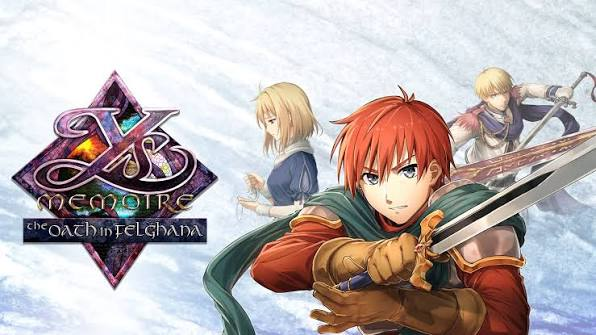
Falcom’s remake of Ys III trades the original’s awkward side-scrolling combat for a full action RPG overhaul, and the results are outstanding. You play as Adol Christin investigating strange happenings in his hometown, with combat built around fast, satisfying real-time swordplay and a memorable arsenal of magic attacks. Boss fights are the highlight here, each one a genuine test of pattern recognition and reflexes that rewards mastery rather than grinding. The soundtrack, as with most Ys games, is phenomenal, full of driving rock arrangements that elevate every encounter. It’s a shorter game than most on this list, but the pacing is so tight that it never overstays its welcome. Difficulty can be punishing on higher settings, but the game is generous about letting you adjust on the fly. This is action RPG design at its most focused and confident.
#11. – Growlanser: Wayfarer of Time
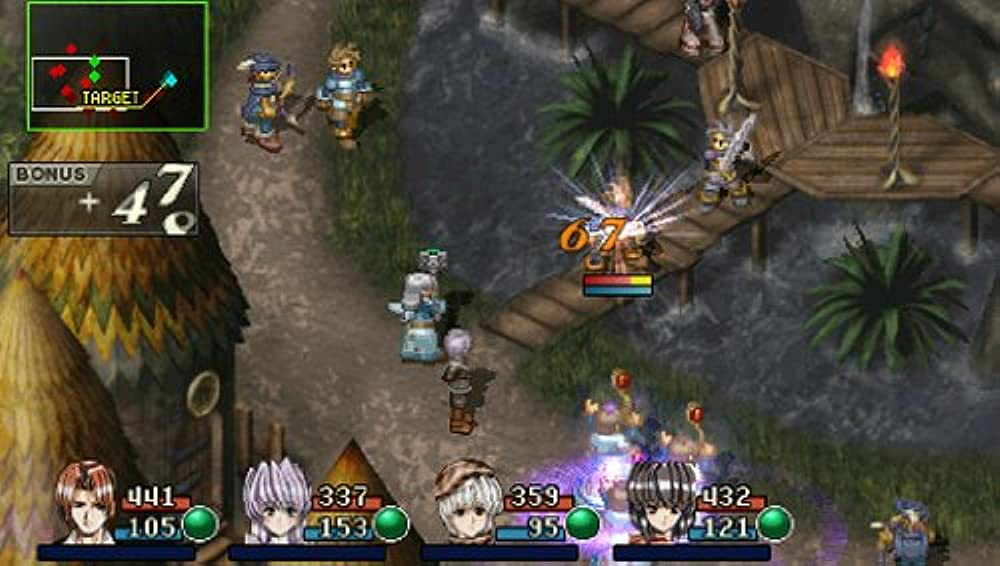
Growlanser has always been a cult favorite among strategy RPG fans, and Wayfarer of Time (a remaster of Growlanser IV) is a fantastic showcase of why. It blends real-time tactical battles with a heavily narrative-driven structure full of branching relationship dynamics, not unlike a dating sim wrapped around a war epic. Combat plays out with units moving and attacking in real time across open battlefields, giving fights a more dynamic feel than typical grid-based tactics games. The story is genuinely ambitious, spanning political intrigue and personal drama across a lengthy campaign. Character relationships matter mechanically too, affecting which endings and bonus content you’ll see. It’s a dense, sometimes overwhelming game that asks for patience, but the payoff is one of the most narratively rich tactical RPGs on the platform. Strategy fans willing to put in the hours will find a lot to love here.
#10. – Disgaea: Afternoon of Darkness
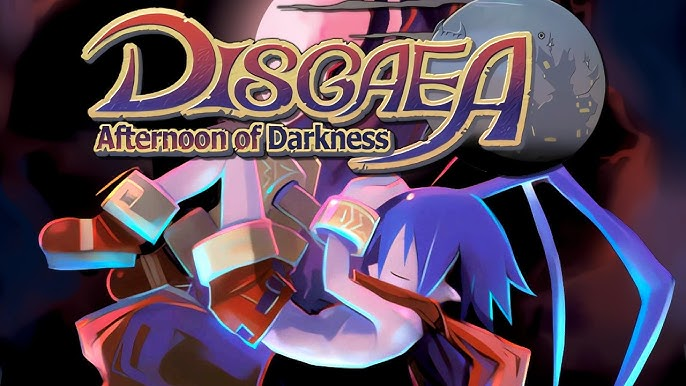
Nippon Ichi’s cult strategy RPG classic made the jump to PSP with Afternoon of Darkness, adding new content on top of an already excellent isometric tactics game. The absurd sense of humor and over-the-top translation are fully intact, as is the series’ trademark obsession with min-maxing absurd numbers well past reasonable limits. Battles take place on isometric grids where positioning, item throwing, and combo attacks all factor into strategy in ways that feel distinct from more straightforward tactics games. The added content, including a new playable character and extra story chapters, gives longtime fans of the PS2 original a reason to revisit it. It’s a game built for players who love diving deep into systems, with endgame content that can consume hundreds of hours if you let it. Portable Disgaea turned out to be a perfect fit, letting you grind on the go.
#9. – Jeanne d’Arc
Level-5’s take on a fictionalized Joan of Arc story is one of the PSP’s most criminally underrated tactics games. It reimagines the Hundred Years’ War with a fantasy twist, giving Jeanne a magical armlet that grants her supernatural combat abilities. The grid-based battles are approachable but layered, with a solid variety of unit classes and a magic system built around bracelets that grant unique powers when equipped. What really elevates the game is its presentation. The art direction is gorgeous, blending painterly backdrops with expressive character sprites, and the voice acting is better than you’d expect from a niche tactics title. The story takes real liberties with history but tells a compelling, emotionally resonant tale in the process. It never got a wide audience at release, but Jeanne d’Arc deserves to be remembered as one of the platform’s best tactical RPGs.
#8. – Ys Seven
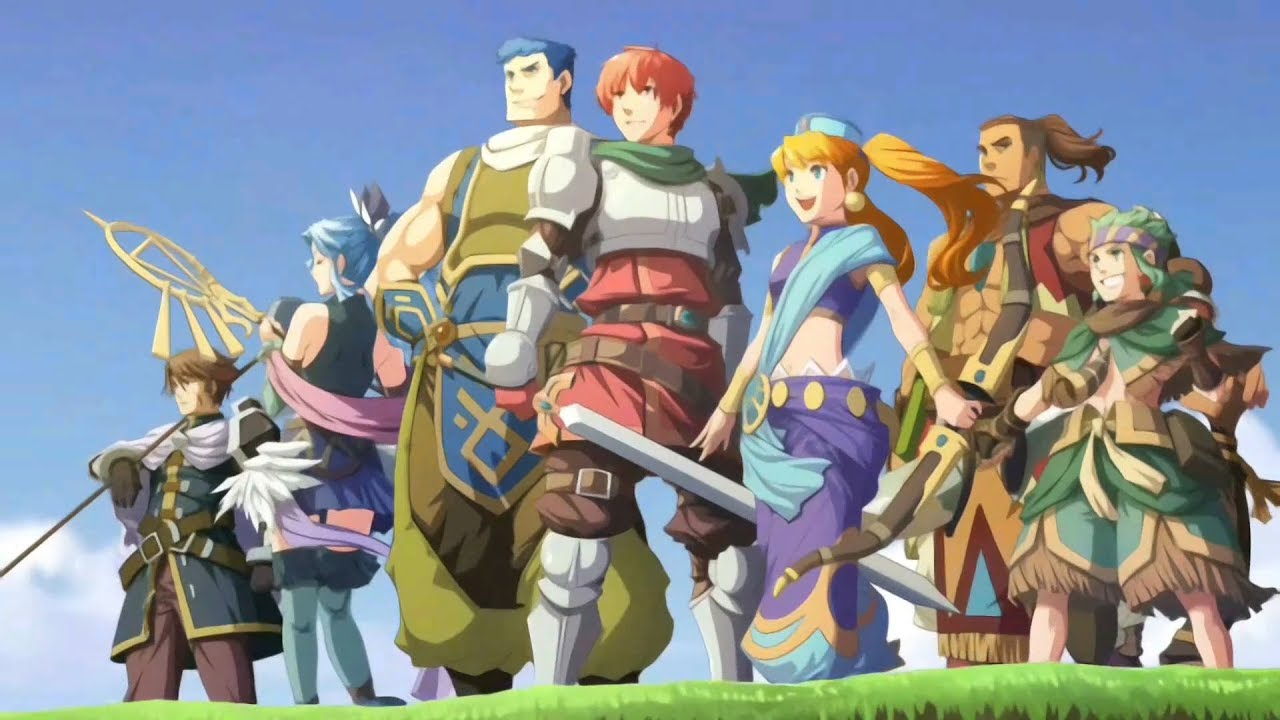
The first mainline Ys game built specifically for a handheld, Ys Seven expands the action RPG formula with a full three-character party system for the first time in the series. You can swap between characters on the fly mid-battle, each with distinct weapon types and combo strings, which adds real tactical variety to what’s still fundamentally a fast, skill-based combat system. The story follows Adol once again, this time investigating ancient dragon ruins in the kingdom of Altago. Boss fights remain the series’ calling card, demanding sharp reflexes and pattern memorization rather than raw stat grinding. The soundtrack is another standout, blending the series’ rock roots with more varied instrumentation. It’s a lengthy, content-rich entry that feels custom built for portable play sessions. For newcomers to Ys, Seven is one of the most approachable and satisfying entry points on any platform.
#7. – The Legend of Heroes: Trails in the Sky
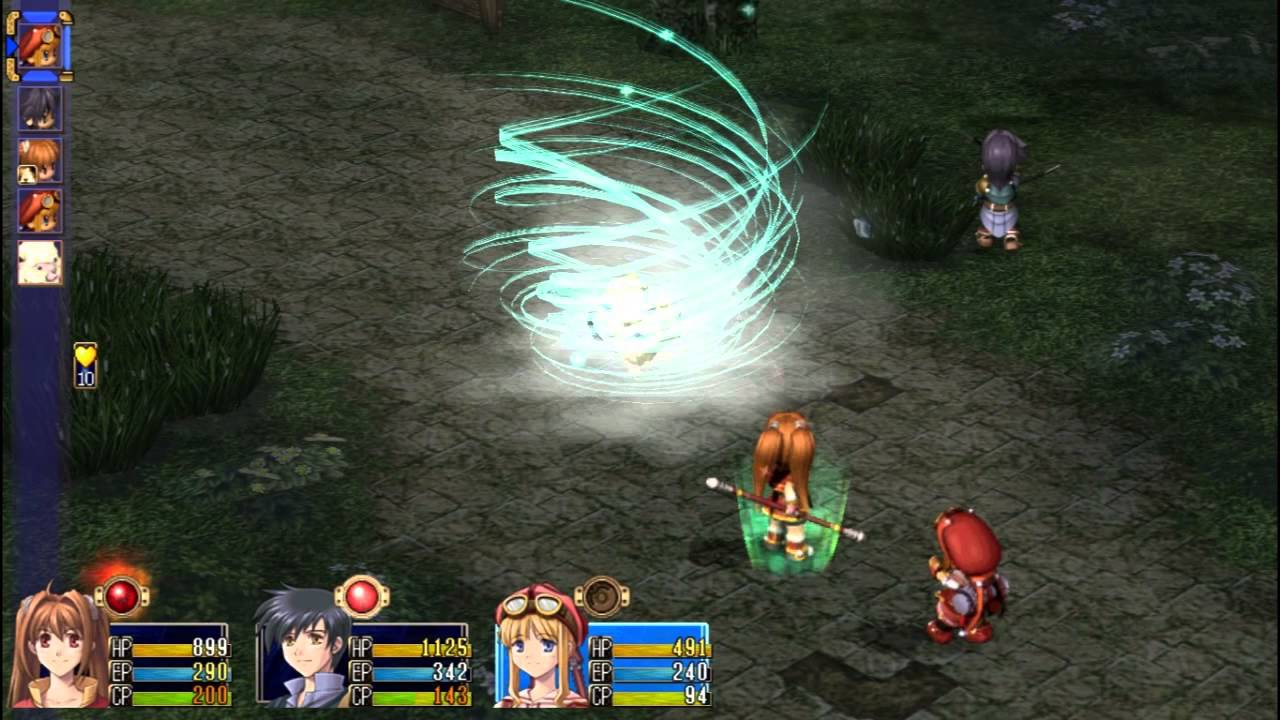
XSEED’s localization of Trails in the Sky introduced western audiences to what would become one of the most beloved RPG series in recent memory, and the PSP version remains a fantastic way to experience it. The turn-based combat is grid-based and methodical, rewarding careful positioning and the game’s flexible Orbment magic system, which lets you customize spells through equippable quartz. What truly defines Trails in the Sky is its worldbuilding. Every town has its own culture, every NPC has dialogue that changes as the story progresses, and the slow-burn plot rewards patience with genuinely satisfying payoffs. It’s a game that takes its time, and some players bounce off the deliberate pacing in the early hours. Stick with it and you get one of the most richly realized fantasy worlds in the genre. This is essential playing for anyone serious about JRPGs.
#6. – Tactics Ogre: Let Us Cling Together
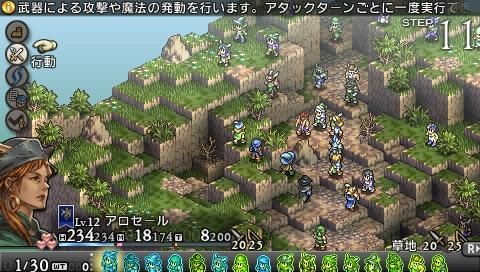
Square Enix didn’t just remaster Tactics Ogre for PSP, they rebuilt huge chunks of it, and the result is one of the finest strategy RPGs ever made. The class-based job system got a complete overhaul courtesy of Final Fantasy Tactics director Yasumi Matsuno, giving unit customization a depth that rivals or exceeds anything else in the genre. Combat unfolds on tactical grids where terrain, unit facing, and turn order all matter enormously, and the game expects you to master these systems rather than brute force your way through. The story, a morally gray tale of civil war and betrayal, is genuinely mature in a way few strategy games attempt, with a branching narrative structure that lets you make real consequential choices. The Chariot Tarot system, letting you rewind and replay past battles, is a thoughtful touch that respects your time. This is a masterclass in tactical RPG design, full stop.
#5. – Kingdom Hearts: Birth by Sleep
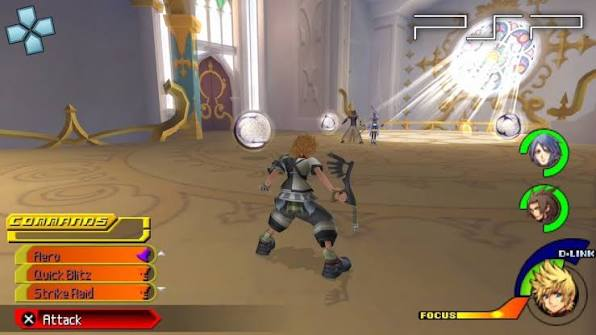
Squaresoft and Disney’s crossover franchise found one of its best entries on a handheld, somewhat surprisingly. Birth by Sleep serves as a prequel, letting you play through three interwoven storylines from the perspectives of Terra, Ventus, and Aqua, each offering a slightly different combat style built around the Command Deck system. This mechanic lets you customize a limited set of actions before battle, adding strategic depth that the mainline console games hadn’t quite attempted before. The Disney world segments feel more integrated into the plot here than in earlier entries, and the overarching mythology gets some of its most important explanations delivered in this installment. Visually the game is a genuine showcase for what the PSP’s hardware could do, with detailed character models and fluid animation throughout. For Kingdom Hearts fans, Birth by Sleep is essential, and even newcomers will find the action combat immediately satisfying.
#4. – Final Fantasy Tactics: War of the Lions
The PS1 classic returns with new voice acting, an updated translation, and gorgeous 2D sprite work that still holds up remarkably well today. War of the Lions keeps the original’s dense job system and grid-based tactical combat fully intact, letting you build wildly customized parties out of dozens of classes. The added cutscenes and new playable character Luso, tied into a bonus story mode, give returning players fresh reasons to dive back in. What makes this version essential is the writing overhaul. The new translation carries far more weight and nuance than the sometimes clunky original localization, elevating an already dark, political story about war and betrayal. The difficulty remains steep, and the game expects you to engage seriously with its systems rather than coast through. For strategy RPG fans, this is close to a perfect package, and it’s aged into one of the genre’s defining works.
#3. – Valkyria Chronicles II
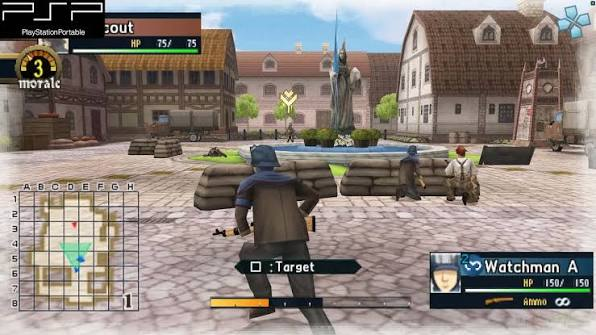
Where the original Valkyria Chronicles was a PS3 exclusive, the sequel moved to PSP and somehow lost very little in the transition. The BLiTZ battle system, blending turn-based strategy with real-time movement during your turn, remains as satisfying as ever, and the game adds a class-based leveling structure that gives more long-term progression than the first title offered. The story follows a new cast of cadets at a military academy, trading the first game’s war drama for a slightly lighter, more character-focused tone. It doesn’t quite match the emotional weight of the original, but the gameplay refinements more than make up for it. The visuals, using the same distinctive watercolor CANVAS engine, look fantastic even scaled down for a handheld screen. This is a rare sequel that took a beloved formula, adapted it smartly for new hardware, and came out stronger for it in several ways.
#2. – Crisis Core: Final Fantasy VII
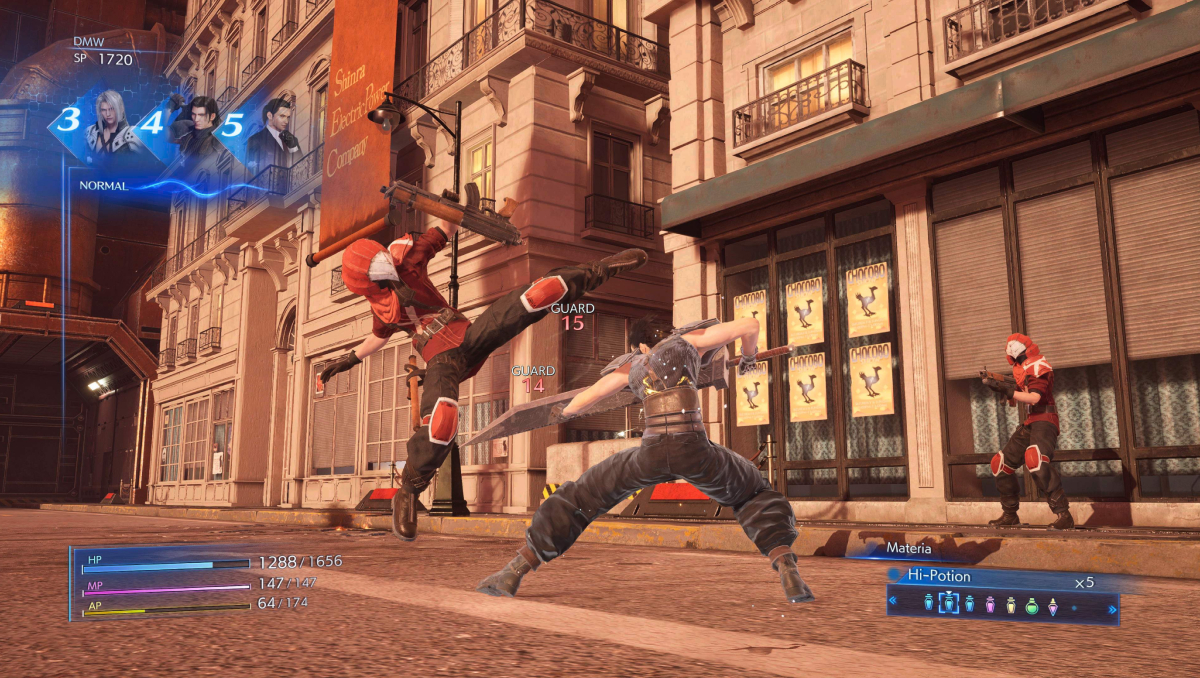
Telling the story of Zack Fair in the years leading up to Final Fantasy VII, Crisis Core is one of the most emotionally devastating prequels ever made, and it backs that story up with genuinely excellent action RPG combat. The Digital Mind Wave system randomizes character portraits during battle to trigger special abilities and limit breaks, adding an element of chance that keeps combat feeling fresh across a lengthy campaign. Character writing is the clear standout. Zack’s arc, along with familiar faces like Sephiroth and Aerith shown in a new light, gives long-time Final Fantasy VII fans context that reframes the entire original game. The ending remains one of the most talked-about moments in the franchise’s history for good reason. Combat can occasionally feel a little simple compared to more traditional RPGs, but the story more than compensates. This is essential playing for any Final Fantasy VII fan.
#1. – Persona 3 Portable
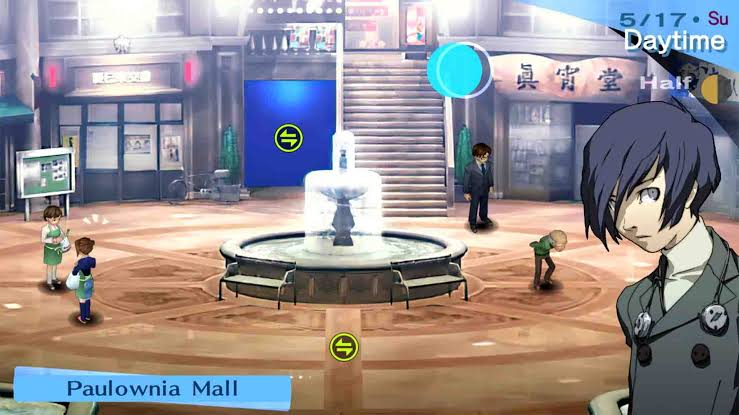
Atlus took an already excellent RPG and made it meaningfully better on a handheld, which is no small feat. Persona 3 Portable adds a playable female protagonist option with her own distinct social links and dialogue, effectively doubling the game’s replay value on top of an already massive experience. The dungeon crawling through Tartarus remains a grind, but the social simulation half of the game, where you build relationships with classmates by day before fighting Shadows by night, is as compelling as anything the genre has produced. The Persona fusion system offers deep strategic customization for anyone willing to dig into it, letting you craft a team of demons tailored to your playstyle. Some visual flourishes from the PS2 original were traded for menu-based battles here, a change that divides fans, but the trade-off in portability and content makes this the definitive way to experience one of the best RPGs ever made. It’s the best PSP RPG for a reason.