
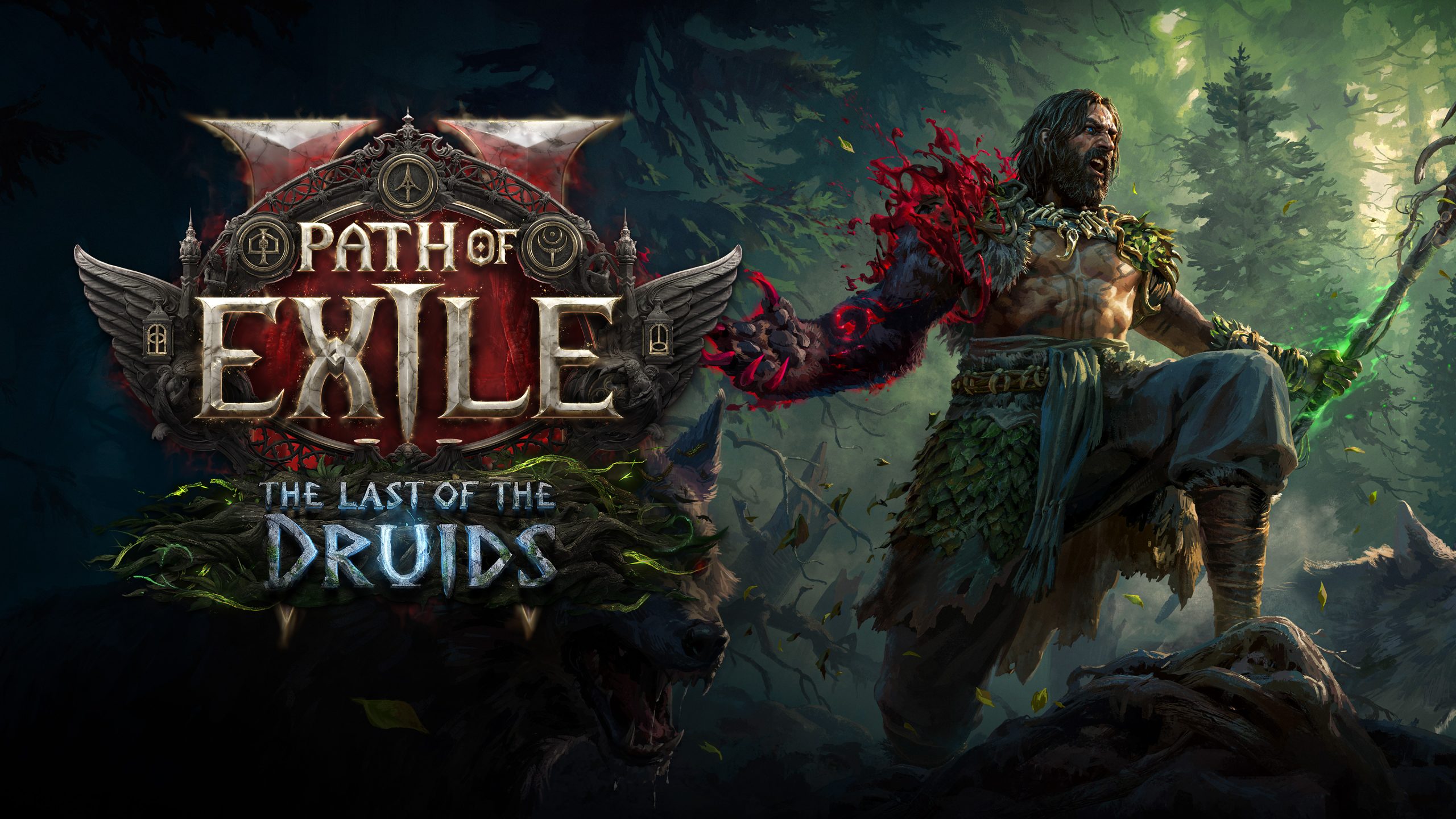
Character progression is one of the defining features of Path of Exile 2. While leveling provides access to skill gems, passive points, and equipment upgrades, the most impactful power spike for many builds comes from Ascendancy classes. These specialised subclasses can completely transform how a character plays, offering unique mechanics, powerful bonuses, and build-defining interactions.
To unlock these benefits, players must complete Ascendancy Trials. While the concept sounds simple, many players quickly discover that the process is one of the more challenging parts of the game. Understanding how the system works and preparing for the trials ahead can save a significant amount of frustration.
What Are Ascendancy Trials?
Ascendancy Trials are special challenge encounters that reward Ascendancy points upon completion. These points can be spent in your chosen Ascendancy tree, allowing your character to gain powerful passive bonuses that are unavailable through the regular passive skill tree.
In Path of Exile 2, players encounter two primary trial types during the campaign:
- Trial of the Sekhemas
- Trial of Chaos
Each offers a different gameplay experience and tests different aspects of a player’s build and skill.
Trial of the Sekhemas
The Trial of the Sekhemas is introduced during Act 2 and serves as the first opportunity for players to unlock Ascendancy points.
Unlike traditional boss encounters, this trial revolves around the Honour system. Players must carefully navigate rooms while preserving Honour, which decreases whenever damage is taken. If Honour reaches zero, the run ends regardless of how much life remains.
This design encourages players to focus on positioning, movement, and avoiding unnecessary damage. Builds that rely on ranged attacks, minions, or strong mobility skills often perform particularly well in this environment.
As players progress through the trial, they encounter various room modifiers, rewards, and bosses before eventually reaching the Ascendancy altar.
Trial of Chaos
Act 3 introduces the Trial of Chaos, which offers a completely different challenge.
Instead of managing Honour, players must choose increasingly dangerous modifiers throughout the run. Every decision makes future encounters more difficult, forcing players to balance risk and reward.
Some modifiers increase monster damage, while others introduce environmental hazards or restrict player capabilities. By the final stages of the trial, the accumulated modifiers can create extremely demanding encounters that test even well-equipped characters.
The Trial of Chaos rewards players who understand their build’s strengths and limitations and can adapt to difficult situations.
Why Ascendancies Matter So Much
Many new players underestimate the importance of Ascendancy points until they experience the difference firsthand.
Ascendancies often provide:
- Massive damage increases
- Additional defensive layers
- New resource mechanics
- Enhanced mobility
- Unique interactions unavailable elsewhere
For some builds, Ascendancy nodes are responsible for enabling the entire playstyle. A build that feels average before Ascendancy can become exceptionally powerful afterwards.
This is why completing the trials should be considered a priority rather than optional content.
Common Challenges Players Face
Although the first Ascendancy points are relatively accessible, obtaining additional points becomes significantly more difficult.
Some of the most common obstacles include:
Build Limitations
Certain builds naturally struggle with specific trial mechanics. Melee characters, for example, may find Honour management difficult in the Trial of the Sekhemas, while glass-cannon builds can suffer heavily in later Chaos encounters.
Insufficient Gear
As trial difficulty increases, character power becomes increasingly important. Players who rush into advanced trials without upgrading their equipment often find themselves repeatedly failing encounters.
Modifier Management
In the Trial of Chaos, poor modifier choices can create impossible situations later in the run. Understanding which modifiers are manageable for your build is a crucial skill.
Boss Encounters
The bosses found within higher-tier trials frequently represent major progression walls. Their mechanics demand careful execution and punish mistakes severely.
Preparing for Success
Players looking to complete Ascendancy Trials efficiently should focus on several key areas:
- Upgrade equipment regularly
- Prioritise defensive stats alongside damage
- Learn boss mechanics before attempting difficult runs
- Practice movement and positioning
- Save valuable relics and trial resources
For Trial of the Sekhemas specifically, Honour Resistance relics can dramatically improve success rates and make future attempts far more manageable.
Alternative Approaches for Busy Players
Not every player enjoys repeatedly running challenging trial content, especially when the primary goal is simply unlocking Ascendancy points and moving forward with a build.
As a result, some players choose a professional PoE 2 ascendancy carry to complete difficult trial encounters more efficiently. This approach allows players to focus on mapping, character progression, and endgame content while ensuring that important Ascendancy points are unlocked as quickly as possible.
Whether tackling the trials solo or seeking assistance, the ultimate objective remains the same: gaining access to the powerful Ascendancy abilities that define many of Path of Exile 2’s strongest builds.
Final Thoughts
Ascendancy Trials are among the most important progression systems in Path of Exile 2. They challenge players in unique ways, reward mastery of game mechanics, and unlock some of the most impactful character upgrades available.
While both the Trial of the Sekhemas and the Trial of Chaos can be intimidating at first, understanding their mechanics and preparing appropriately can dramatically increase your chances of success. For players willing to overcome these challenges, the rewards are well worth the effort, providing the foundation for powerful endgame builds and countless future adventures throughout Wraeclast.